OP-ED: Is Creativity a Superpower in Early Education?
“This is not anything new, knowing that play is so critical to children, whether it’s dramatic play, building play, creative arts play or physical play,” said Hoisington, a STEM expert […]
AI summary
In this EdSource op-ed, Karen D'Souza reports experts' view that play and creativity are central to how young children learn. Arts, songs, make-believe and hands-on exploration build motor skills, vocabulary, literacy, numeracy and social-emotional skills. Cindy Hoisington of the Education Development Center says play is treated as a reward after learning once children reach kindergarten and first grade, though it is a vehicle for learning. A report analyzing 26 studies from 18 countries found larger learning gains in centers mixing instruction and free play than in purely academic ones. Stanford's Deborah Stipek says children learn best by doing and that worksheets do not develop new skills. Temple University's Kathryn Hirsh-Pasek argues that fear and pressure to get ahead stifle curiosity and make children and parents anxious. An American Academy of Pediatrics report says play enhances brain structure and executive function. Some experts say children need more play after the pandemic, that older students also need time for arts, sports and recess, and that creativity matters in a world where AI outperforms memorization.
- Experts say play is a powerful vehicle for learning, yet from kindergarten onward it is often treated as something earned after academic work.
- A report analyzing 26 studies from 18 countries found greater gains in literacy, motor skills and social-emotional development in centers mixing instruction with free play.
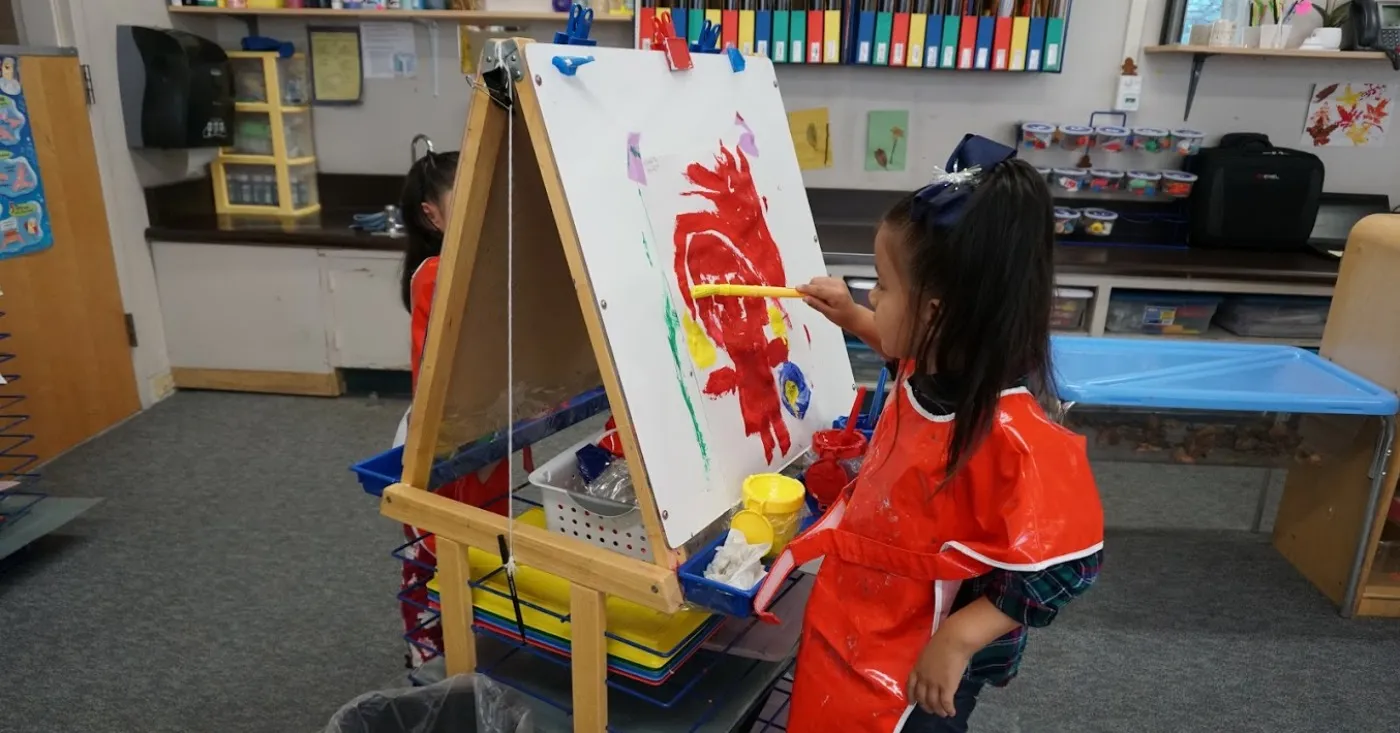
- Hands-on activities, songs and make-believe games are described as teaching several skills at once, and as more engaging than worksheets.
- Hirsh-Pasek attributes the emphasis on test scores to parental fear, which she says leaves children and parents anxious and stifles curiosity.
- Some experts argue children need more play after the pandemic and that creativity and problem-solving matter more as AI outperforms memorization.