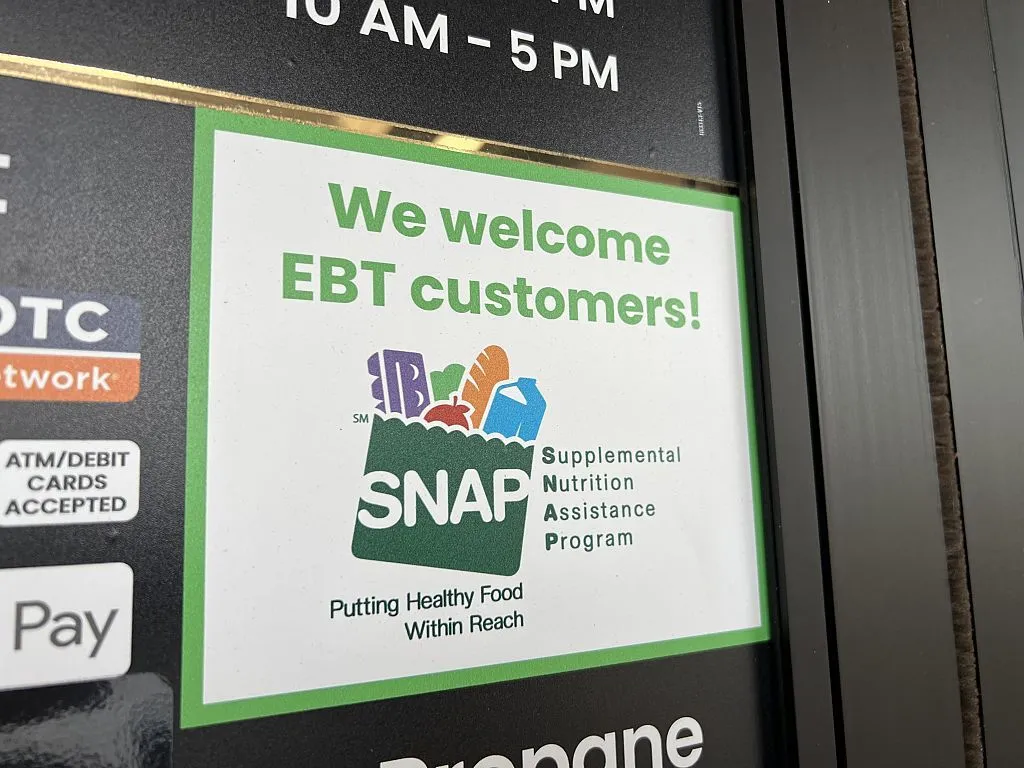
GOP Bill Causes Statewide SNAP Benefits Loss For Millions
Millions of families across America have reportedly lost SNAP benefits as a result of the Trump-issued One Big Beautiful Bill Act of 2025.
AI summary
Since Trump signed the One Big Beautiful Bill Act (OBBBA), SNAP benefit distribution has declined: an estimated 4 million people have reportedly lost access since July 2025, and further restrictions are scheduled for later this year. The law extends monthly work or volunteer hour requirements to veterans, people aged 55 to 64, homeless individuals, young adults aging out of foster care, and parents of children aged 14 to 17. According to PBS News Hour, the requirements have led some people to drop off the program or turn to food banks. Some attribute lower SNAP usage to a better economy, but Katie Bergh of the Center on Budget and Policy Priorities told NPR that, with unemployment flat and food prices rising, the drop results from policy changes. She also cited state staffing pressures, paperwork backlogs and heavy documentation demands. Starting this October, the federal share of administrative costs falls from 50% to 25%, and from October 2027 states with error rates of 6% or more must cover 5% to 15% of benefit costs. The article says this could force states to spend two to three times as much and could lead some to leave the program.
- An estimated 4 million people have reportedly lost SNAP access since July 2025, after the One Big Beautiful Bill Act was signed.
- Work or volunteer hour requirements now apply to veterans, people aged 55–64, homeless individuals, young adults aging out of foster care, and parents of children aged 14–17.
- Analyst Katie Bergh told NPR that the decline reflects policy changes rather than less need, citing flat unemployment and rising food prices, as well as state staffing and paperwork problems.
- In an Urban Institute and APHSA survey, 15 of 39 responding states said they were prioritizing payment accuracy over benefit timeliness.
- From October, the federal share of administrative costs drops from 50% to 25%; from October 2027, states with error rates of 6% or more must pay 5–15% of benefit costs.