Powerful images, untold stories: Black Arts Movement exhibit brings history into focus
By Gail Gettis, Contributing Writer, Where could Mississippians learn how photography not only documented history but also helped shape the Black Arts Movement? In a state not always known for…
AI summary
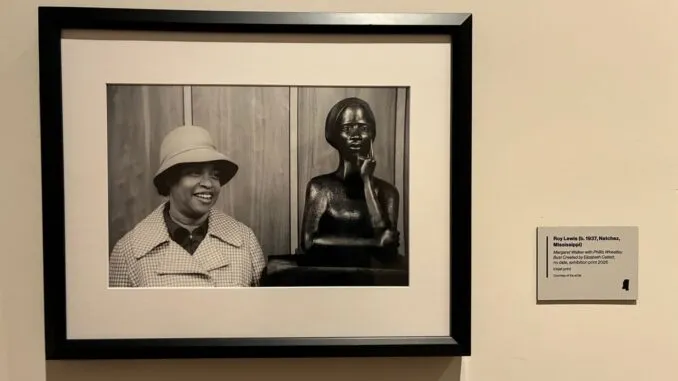
The Mississippi Museum of Art in Jackson hosted the exhibition Photography and the Black Arts Movement: 1955-1985, which originated at the National Gallery of Art in Washington, D.C., from July 25 through Nov. 8, 2026. According to MMA employee Kenya Rashel, the museum's board and supporters worked to secure the show, which was originally slated only for Washington and The Getty Center in Los Angeles. The collection of 162 photographs by about 100 artists was expanded with 12 images from Natchez-born photographer Roy Lewis's personal collection, and Mississippi connections were marked with a state-shaped icon. The exhibit's culminating event was a screening of Weapons of Choice: Inspired by Gordon Parks (2021), honoring Parks as Life magazine's first Black photographer and a pioneering Black Hollywood director. A panel followed with Lewis and Baltimore photographer John Clark Mayden, moderated by Jackson State University professor Mark Geil. Lewis spoke about representing his culture and respecting his subjects, while Mayden described his street photography as helping people feel they are not invisible.
- The exhibition Photography and the Black Arts Movement: 1955-1985 ran at the Mississippi Museum of Art from July 25 through Nov. 8, 2026, after originating at the National Gallery of Art.
- The museum added 12 photographs by Mississippi native Roy Lewis to the 162-image collection and marked Mississippi-related works with a state-shaped icon.
- A screening of Weapons of Choice: Inspired by Gordon Parks, the exhibit's culminating event, highlighted Parks' influence as a photographer and filmmaker on figures such as Spike Lee, Ava DuVernay and Anderson Cooper.
- At the post-screening panel moderated by Mark Geil, Lewis said it is important to represent his culture and that photography is "more than taking pictures."
- John Clark Mayden, a Baltimore photographer and attorney, described his street portraits in Baltimore Lives as honest, intimate images that help people feel they are not invisible.