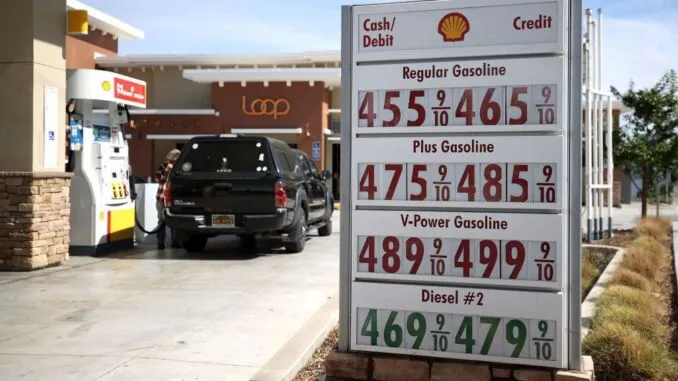
Consumers Seem Unfazed By 7-Year-High Gasoline Prices
The national average price for a gallon of gas is 20 cents higher than a month ago, creating tensions in the commodities market. The post Consumers Seem Unfazed By 7-Year-High Gasoline Prices…
AI summary
U.S. retail gasoline prices are at a seven-year high, with AAA listing a national average of $3.39 per gallon of regular unleaded on Tuesday, about 20 cents higher than a month earlier. Analysts say prices should stay elevated in the short term because demand is holding up despite inflationary pressures. Federal estimates of refined petroleum products supplied to the market remain on par with pre-pandemic levels. Higher natural gas prices are pushing some users toward coal or crude oil, adding competition in an under-supplied oil market. White House spokesperson Jen Psaki said Washington would keep pressing OPEC to raise output. OPIS analyst Denton Cinquegrana expects demand to fall once the weather turns colder, though the usually cheaper winter blend will not bring relief this year because blending components are expensive; he added that stimulus and savings may be cushioning consumers. GasBuddy's Patrick DeHaan said oil prices are the unknown factor and doubted forecasts of $100 per barrel. Phil Flynn of The PRICE Futures Group said refiners are behind on utilization and output and that the pain at the pump is not over.
- AAA's national average for regular unleaded was $3.39 per gallon on Tuesday, about 20 cents higher than a month ago and at a seven-year high.
- Demand appears unaffected: federal data on refined products supplied to the market are on par with pre-pandemic levels.
- Higher natural gas prices are increasing competition for crude oil, and the White House says it will keep pressuring OPEC to increase supply.
- Winter usually lowers demand and prices, but this year's winter blend is not expected to be cheaper because blending components are expensive.
- Analysts are split on how far prices could rise: DeHaan doubts $100-per-barrel oil forecasts, while Flynn says refiners are lagging and the pain at the pump is not over.