Overdose Deaths in San Diego County’s Black Community Fall Nearly 50%
Overdose deaths among Black San Diegans have fallen dramatically, but local health leaders say another drug-related challenge still demands attention.
AI summary
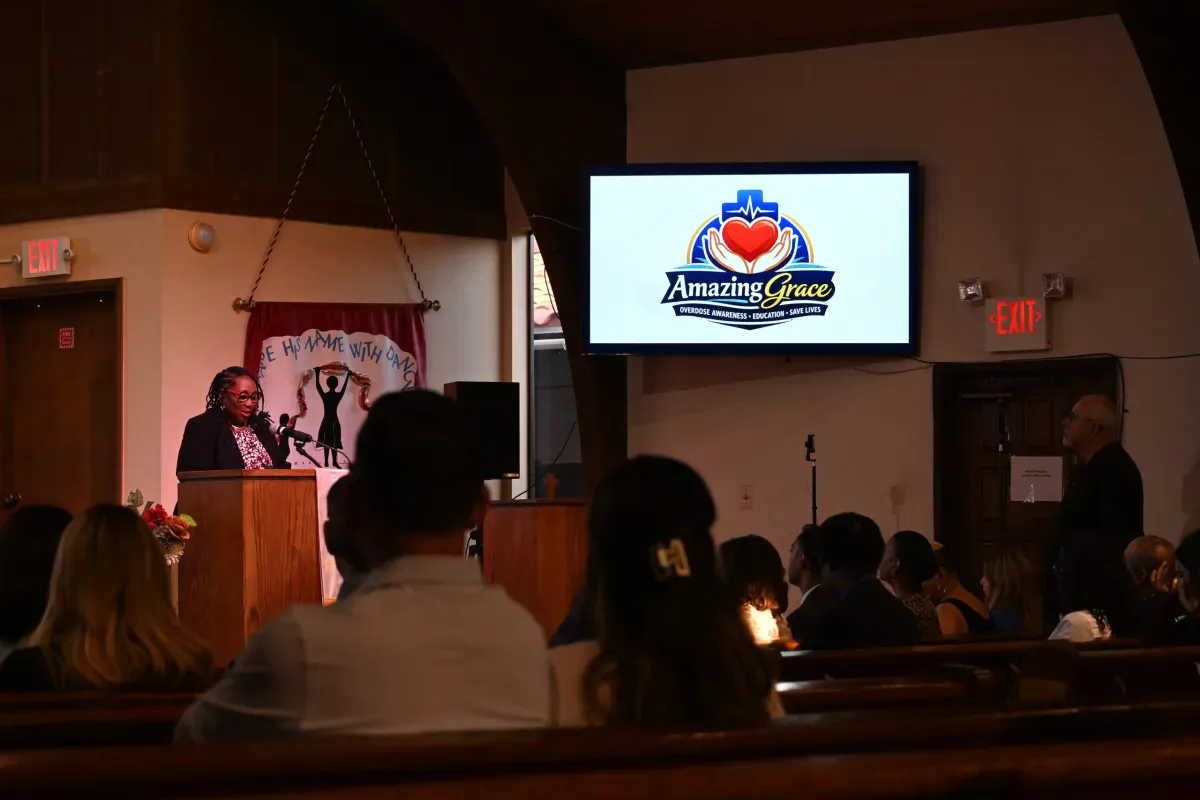
A meeting of the San Diego County Substance Use and Overdose Prevention Taskforce's Amazing Grace Subcommittee, held Sept. 30, 2026 at Christian Fellowship Congregational Church, highlighted progress in reducing overdose deaths and called for compassionate, holistic treatment. District Attorney Summer Stephan said overdose deaths among Black San Diegans fell from 159 in 2023 to 85 in 2025, nearly 50%. Overall deaths dropped from 1,203 to 840, and deaths among people under 18 fell from 13 to 2. She credited cooperation among public health, law enforcement, education and community groups, but said meth deaths have not declined in the same way and the county is not fully equipped for treatment; a $29 million treatment and recuperative care center will open this fall. Public Health Officer Dr. Sayone Thihalolipavan cited expanded treatment programs and withdrawal beds. Dr. Suzanne Affalo said addiction is wrongly seen as a moral failing and should get evidence-based, whole-person care. Reggie Washington of Project Aware urged people to carry naloxone, call 911, and noted protections under California's Good Samaritan law.
- Overdose deaths among Black San Diegans fell from 159 in 2023 to 85 in 2025, nearly 50%, according to District Attorney Summer Stephan; overall deaths fell from 1,203 to 840 and deaths among those under 18 from 13 to 2.
- Stephan credited collaboration across sectors and efforts against illicit fentanyl, but said methamphetamine deaths have not declined similarly and have risen among older adults.
- The county's $29 million substance use treatment and recuperative care center will open this fall, and the county has expanded narcotic treatment programs and withdrawal beds.
- Dr. Suzanne Affalo said addiction should be treated like other illnesses, explained its effects on the brain, and recommended evidence-based care including therapy, counseling, support and medication.
- Reggie Washington of Project Aware urged carrying naloxone and calling 911, warned that counterfeit pills may contain fentanyl, and called for nonjudgmental outreach to young people.