Trump’s Grip on Washington Faces New Resistance as Courts, Congress Challenge His Remaking of D.C.
President Donald Trump's ambitious construction projects and increased military presence in Washington, D.C., have sparked legal battles and intense opposition from local leaders and the incoming…
AI summary
President Trump's plans to reshape Washington, D.C. face growing legal and political resistance, intensified after Democrats won control of Congress in last week's midterms. Projects include a 250-foot triumphal arch near Arlington National Cemetery, a White House ballroom, Kennedy Center changes and redevelopment of East Potomac Golf Links. The National Capital Planning Commission approved the arch 8-4, but Judge Tanya Chutkan imposed a 14-day construction delay; D.C. and Virginia have joined lawsuits. In the golf course case, Judge Ana Reyes plans to appoint Jessie Liu as special master to examine possible ethical violations by Justice and Interior department attorneys; the Interior Department called her politically motivated. Nearly 3,100 National Guard troops remain in the city. The administration credits its security effort with over 13,900 arrests, while a Center for American Progress analysis found no evidence deployments reduced violent crime. D.C. officials and the ACLU criticize the federal presence. Incoming Democratic lawmakers plan oversight and possible use of appropriations, while District residents lack a voting voice in Congress.
- Federal judges have intervened: Judge Chutkan imposed a 14-day delay on the arch, and Judge Reyes plans a special master to examine possible ethical violations by government lawyers in the golf course case.
- The proposed arch, estimated to cost up to $100 million, was approved 8-4 by the National Capital Planning Commission; D.C. and Virginia have joined litigation against it.
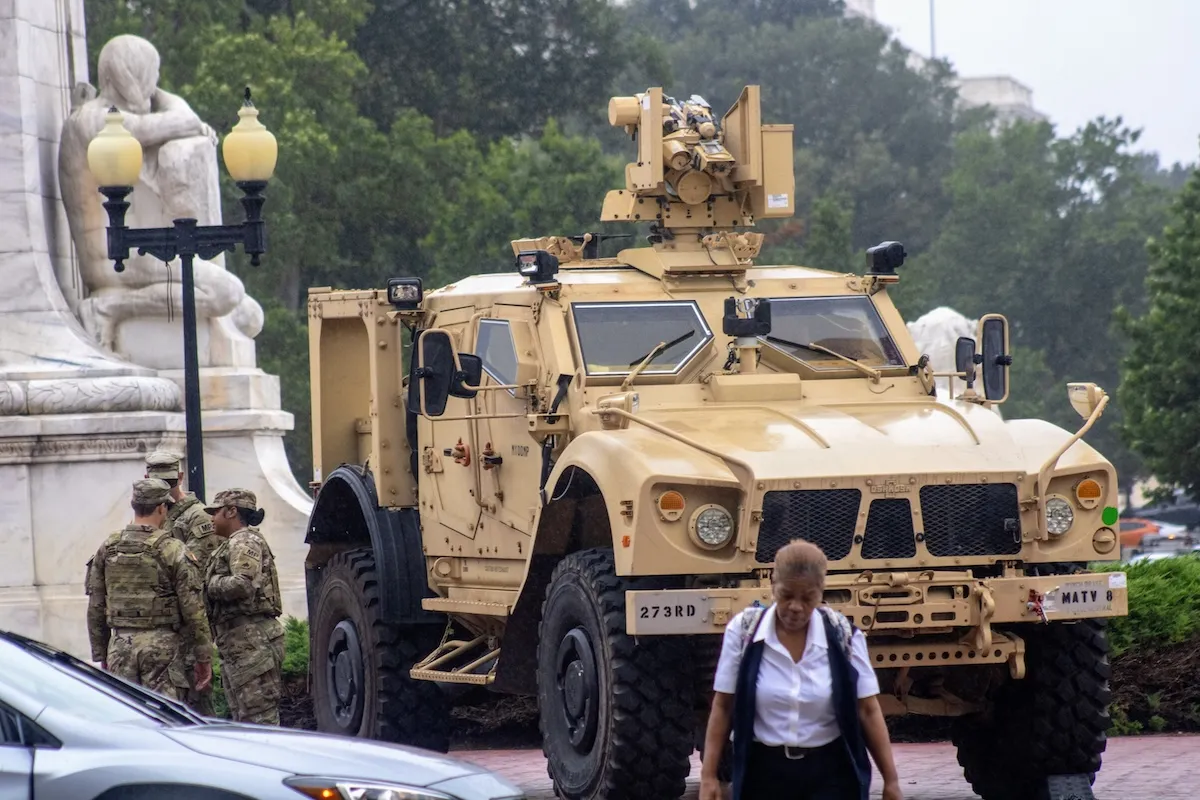
- About 3,100 National Guard troops remain in D.C.; officials credit the task force with over 13,900 arrests, while a Center for American Progress analysis found no evidence deployments reduced violent crime.
- Democrats taking control of Congress in January plan to use oversight and spending powers; Reps. Jared Huffman and Don Beyer have signaled opposition to the projects.
- The administration defends the projects as beautification and security efforts, while critics including Democracy Forward and the ACLU of D.C. call them overreach affecting residents without voting representation in Congress.