How reliance on a credit reporting agency led to Mississippi’s voting mess in the midterms
A $50,000 deal with Experian in 2024 might be the reason for election chaos in Mississippi as all eyes are on its Senate race.
AI summary
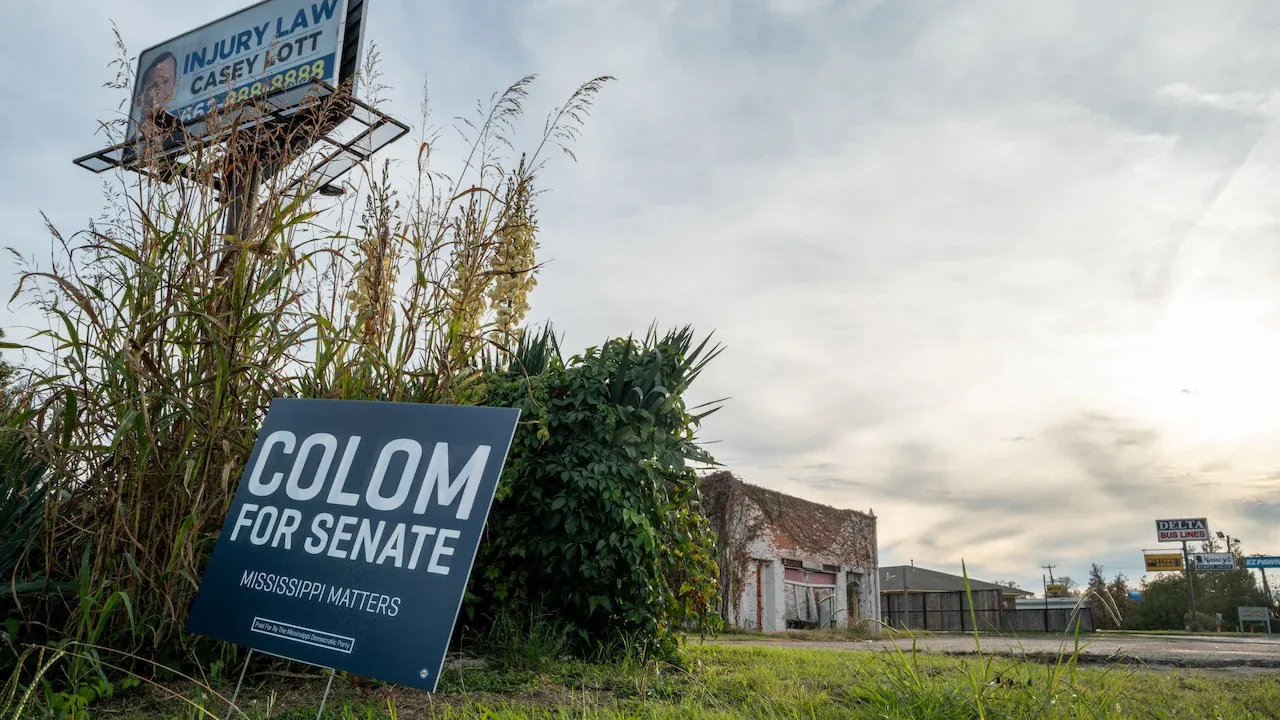
Nearly a week after Election Day, Mississippi's Senate race remains uncalled. Democrat Scott Colom leads Republican incumbent Cindy Hyde-Smith by more than 2,500 votes, with Hinds County expected to finish counting by late Monday or early Tuesday. The state has until Tuesday to count provisional ballots and receive absentee ballots postmarked by Election Day. The article links the delays to a $50,000 deal Secretary of State Michael Watson made with Experian in 2024 to use unverified company address data to identify voters who may have moved. Thousands of registered voters were marked inactive and had to cast affidavit ballots. Experian told The Atlantic its data was not designed to validate voter records. The number of voters deemed inactive for address issues rose from nearly 50,000 (July 2025 to March 2026) to 230,000 by Election Day. Watson defended the process, calling affidavit ballots a safety net and saying it will produce more accurate voter rolls. The article presents the race as a cautionary tale about relying on third-party systems.
- Colom leads Hyde-Smith by more than 2,500 votes; the state has until Tuesday to finish counting provisional and qualifying absentee ballots.
- In 2024, Secretary of State Michael Watson signed a $50,000 deal with Experian to use unverified address data to sort active and inactive voters, the first time non-USPS data was used for this, per Mississippi Today.
- Voters deemed inactive over address issues grew from nearly 50,000 (July 2025–March 2026) to 230,000 by Election Day, forcing many to cast affidavit ballots.
- Experian told The Atlantic its data was not intended to validate voter records; Watson was reportedly warned about the unverified data before Election Day.
- Watson said affidavit ballots are a safety net and that the process will lead to more accurate rolls and less opportunity for voter fraud.