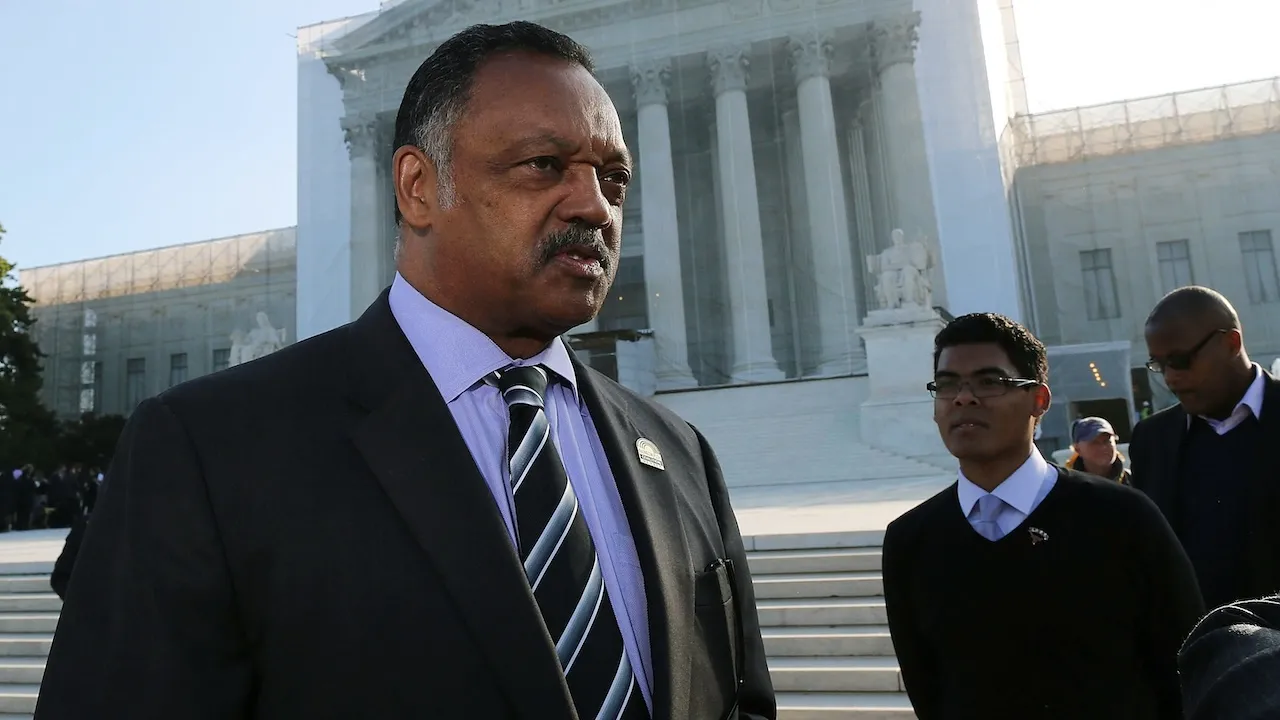
Keep Hope Alive: Jesse Jackson’s directive on protecting mental health during Black History Month
The death of Jesse Jackson only underscores the civil rights legend's stance and impact on Black mental health.
AI summary
In this opinion piece, clinical and community psychologist Dr. Riana Elyse Anderson reflects on the death of Rev. Jesse Jackson and the meaning of his words for Black mental health. His passing comes as 100 years of Black History celebrations are recognized, a tradition begun when Dr. Carter G. Woodson founded Negro History Week, extended to Black History Month in 1976. The author argues that this history now faces active erasure, including from a president she describes as dismissing the past. She draws three lessons from Jackson's sayings. "I am – somebody" stresses agency and self-knowledge; her research finds that Black youth with more agency regarding racism have better psychological outcomes. "Turn to each other, not on each other" points to collective strength and kinship. "Keep hope alive" highlights hope, which research links to positive outcomes during and after trauma. She calls for remembering history, reinvesting in programs and policies that address racism, and ensuring Black youth know they are somebody.
- The author, a clinical and community psychologist, says Rev. Jesse Jackson's messages supported Black mental health by helping people know who they were in the face of racism.
- His death coincides with 100 years of Black History celebrations begun by Dr. Carter G. Woodson; the author says that history is now being actively erased.
- "I am – somebody": the author's research finds that Black youth with more agency regarding racism have better psychological outcomes, and that activism can reduce depressive and anxious symptoms.
- "Turn to each other, not on each other" and "Keep hope alive": she cites collective kinship and hope as mental health assets, with research linking hope to positive outcomes during and after trauma.
- She calls for preserving history, reinvesting in programs and policies that address historical and contemporary racism, and ensuring Black youth know they are somebody.