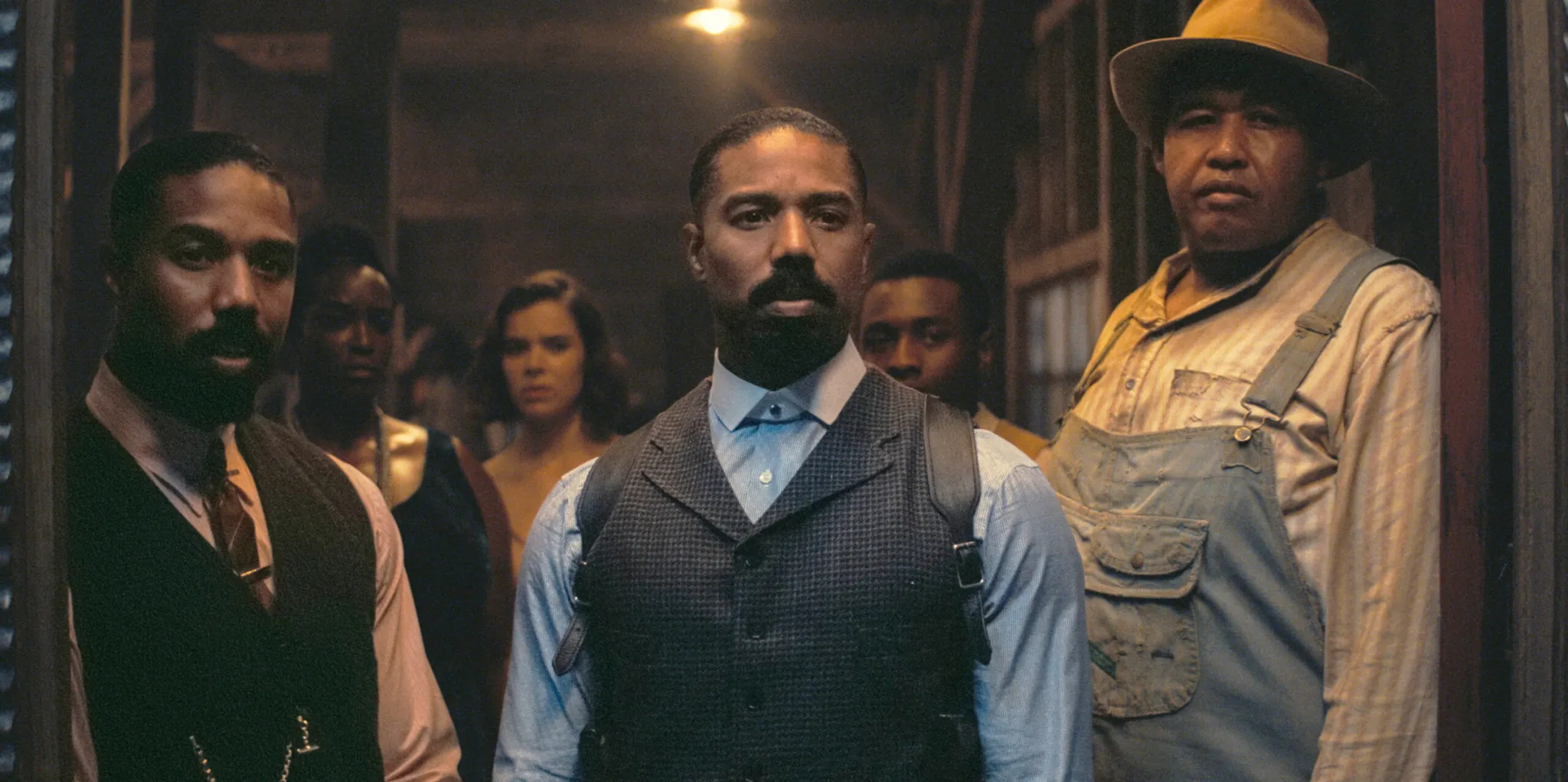
‘The devil we know’: On ‘Sinners’ and how Black progress often meets societal regression
In an op-ed, Gloria Swindler Boutte argues how 'Sinners' is as much a discussion about America's reaction to racism than it is about vampires.
AI summary
In this opinion piece, Gloria Swindler Boutte, a Distinguished Professor at the University of South Carolina, reflects on the Oscar-nominated film "Sinners," which she says she has watched more than 170 times. She treats Stack's line about returning to Clarksdale, Mississippi, to deal with "the devil we know" as a diagnosis of racism in America. In her view, racism persists nationwide, and moments of Black progress are regularly followed by backlash that restores white centrality. She cites Reconstruction followed by Jim Crow, Civil Rights followed by mass incarceration, the Obama presidency followed by the MAGA movement, and the 2020 racial reckoning followed by anti-CRT laws, book bans and DEI rollbacks, and she argues this pattern is by design. She points to remarks by J.D. Vance and Trump as examples. She also reads the film's vampires as forces that hunt Black joy and agency, and she criticizes assimilation as a path to safety. She concludes that the film's 1932 setting is timeless and that this devil endures even when it rebrands itself.
- The author reads Stack's line about preferring "the devil we know" as a diagnosis of persistent racism across the United States, not only in the South.
- She argues that racial progress in the U.S. is regularly followed by deliberate regression, citing Reconstruction, Civil Rights, the Obama presidency and the 2020 racial reckoning.
- She says phrases like "law and order" and "common sense" are coded for white normalcy, and she cites remarks by J.D. Vance and Trump as examples.
- She interprets the film's ending, in which Stack says that for a few hours they were free, as showing how Black people must steal brief moments of freedom that are then hunted or destroyed.
- She criticizes assimilation and respectability as a strategy, arguing that the 'vampire' does not reward compliance and that racism persists even when it rebrands itself.