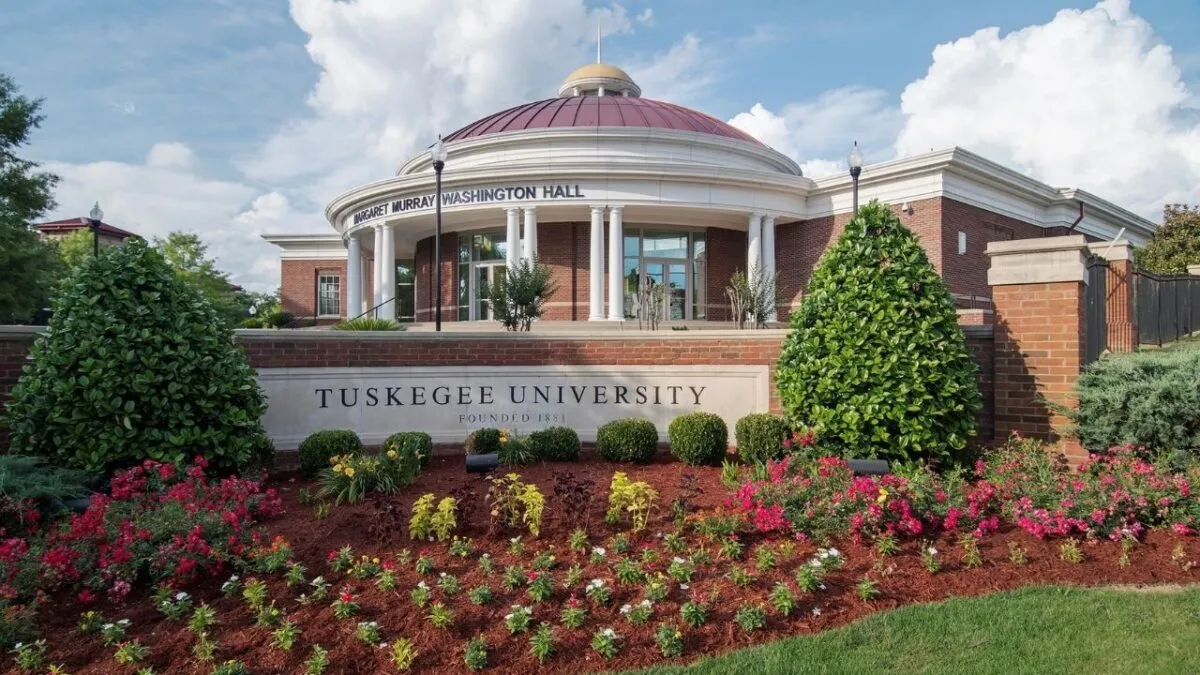
Tuskegee president Dr. Mark Brown explains university’s viral bonnet and durag dress code policy
AI bias rating
Rated Center on a five-point scale from left to right.
- Left
- Center-left
- Center
- Center-right
- Right
Why this rating
- The story is framed around online controversy, with emphasis on social media reaction rather than on the policy's details or its effects on campus.
- The university president's rationale gets substantial space through extended direct quotes, which present the policy as being about workforce readiness and 'student success'.
- Criticism is represented mainly through the phrase 'respectability politics' and one anonymous social media comment. This balances one supportive and one critical user quote.
- The verb 'doubled down' casts the president's later comments as entrenchment, while the closing line presents the policy's implementation as settled regardless of public opinion.
- No current Tuskegee students are quoted on how the policy affects them.
- No faculty, staff or student government views are included.
- Scholars or cultural commentators are not consulted on why bonnets and durags carry cultural significance or on the respectability politics critique.
- Details on how the policy will be enforced or what penalties apply are absent.
- Parents of incoming students, to whom the message was addressed, are not heard from.
- Employers or career experts are not consulted on whether such dress expectations affect workforce readiness.
After backlash over new dress code, Tuskegee University's president says the policy is focused on "student success" and workforce preperation.
AI summary
Tuskegee University president Dr. Mark Brown defended a new dress code policy that drew backlash on social media. Announced last month in a message to parents of incoming students, the policy sets expectations on attire, attendance and cellphone use, and prohibits revealing clothing, bedroom shoes, bonnets and durags in classrooms and the cafeteria. Brown wrote that the goal is not to restrict the Tuskegee Experience but to prepare students for the workforce. Social media users debated the policy's fairness and the role of respectability politics. At an HBCU panel on Martha's Vineyard, in a video posted by Giselle Phelps, Brown said students are brilliant but need to show up on day one ready for any space, professionally. He said the policy is called a dress code, but the word is student success. Users remained divided under the post: one said those who disagree should not attend Tuskegee, while another urged letting respectability politics go. The policy will reportedly take effect this fall.
- Tuskegee University, an Alabama HBCU, announced a policy on student attire, attendance and cellphone use ahead of the academic year.
- The policy prohibits revealing clothing, bedroom shoes, bonnets and durags in classrooms and the university cafeteria.
- President Dr. Mark Brown said the policy aims at workforce preparation and 'student success,' and that students should be ready on day one for any space.
- Social media users were divided, with some supporting the policy and others criticizing it as respectability politics.
- The policy will reportedly take effect for students this fall.