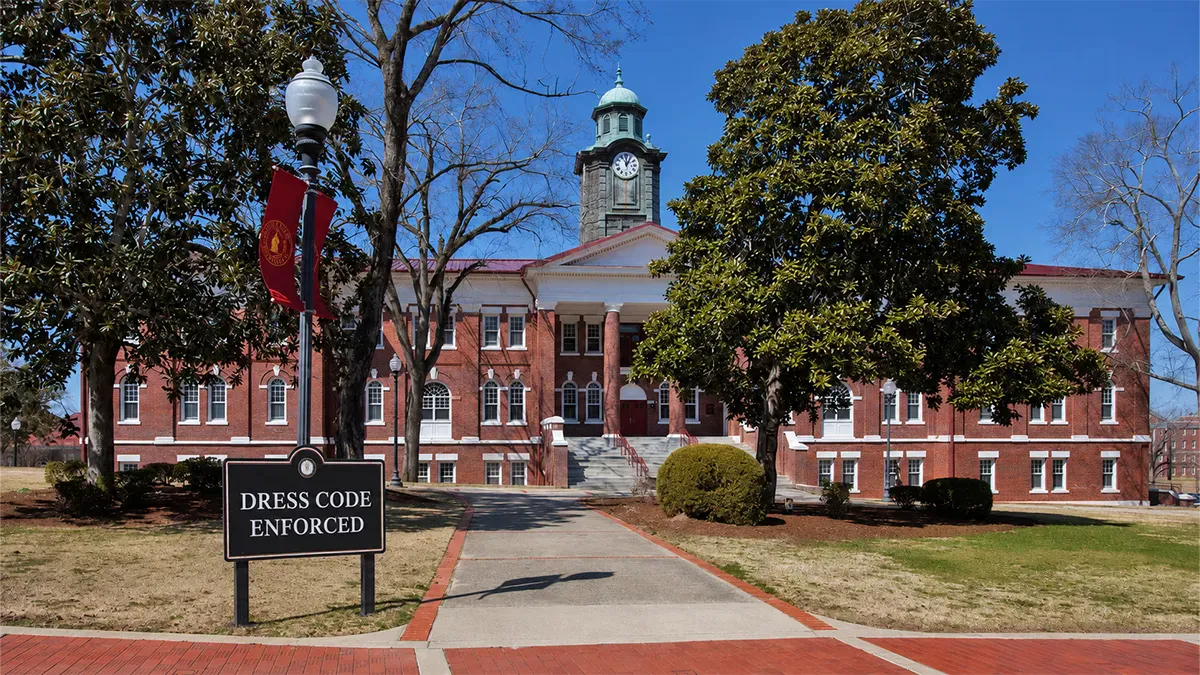
Tuskegee University’s new dress code bans bonnets, durags and bedroom shoes in class
Tuskegee University’s new dress code bans bonnets, do-rags and bedroom shoes in class while strengthening attendance and cellphone policies.
AI summary
Tuskegee University President Dr. Mark A. Brown, in a message to parents of incoming students, announced new policies on attire, attendance and cellphone use for the upcoming academic year. The Alabama HBCU's dress code prohibits revealing clothing in classrooms, dining areas and official settings such as Convocation, and bans bedroom shoes, bonnets and du-rags in classrooms and the cafeteria. Business suits and appropriate shoes are expected at business meetings and professional events. Phones may not be used in class unless a professor allows it, and attendance will be monitored more closely. Brown said the goal is not to restrict students but to prepare them for the workforce. The article notes the rules may revive debate in Black communities about respectability and professionalism, including whether banning hair-protecting bonnets and du-rags reinforces narrow ideas of professionalism, while others may see it as continuing HBCU tradition. The changes come as Tuskegee expects its largest incoming class in 32 years, alongside requirements for internships, professional certifications and résumés before graduation.
- Tuskegee's new dress code bans revealing clothing in classrooms, dining areas and official settings, and bans bedroom shoes, bonnets and du-rags in classrooms and the cafeteria.
- Cellphones may not be used in class unless a professor instructs otherwise, and the university will monitor class attendance more closely.
- President Mark A. Brown said the policies aim to prepare students for the workforce, not to restrict their enjoyment of the Tuskegee Experience.
- The article says the rules may prompt debate over respectability and professionalism, including whether banning hair-protecting bonnets and du-rags reflects narrow standards.
- Students must complete internships, identify professional certifications and develop résumés before graduating; the university reportedly offers over 30 certifications at no extra cost.