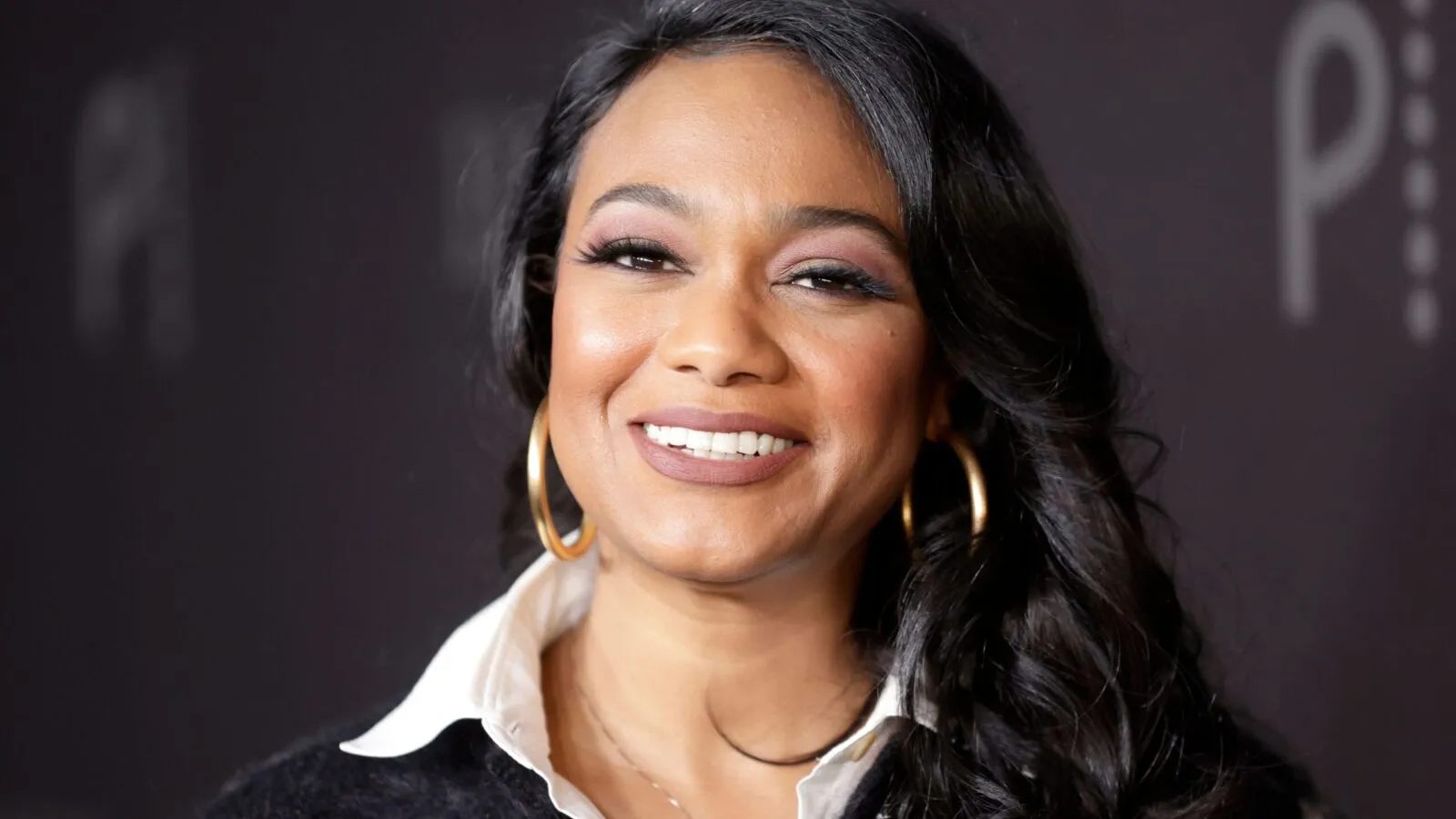
Tatyana Ali’s experience highlights an often-overlooked part of Black maternal health — the need to get up and bust a move
AI bias rating
Rated Center-left on a five-point scale from left to right.
- Left
- Center-left
- Center
- Center-right
- Right
Why this rating
- The story is a health and wellness feature built around a celebrity anecdote (Tatyana Ali's Instagram video), which serves as the entry point to expert advice.
- It frames postpartum movement and dance therapy within the larger 'ongoing maternal health crisis', with particular emphasis on Black women and the higher maternal mortality rate cited from the CDC.
- The experts quoted are both practitioners who promote the approaches discussed (a dance and movement therapist and a pelvic-health physical therapist), so the coverage is supportive and advocacy-oriented.
- It rejects the 'snapback' culture of quick physical recovery after birth and stresses healing and self-recognition instead.
- It closes with a call to action urging Black birthing people to speak up and seek help, which gives the piece a service and advocacy tone more than a news-reporting one.
- The piece uses inclusive terms such as 'birthing people' alongside 'mothers' and 'women'.
- No independent researchers or skeptical clinicians assess how strong the evidence is for dance movement therapy in postpartum recovery.
- There is no discussion of cost, insurance coverage or practical barriers to getting pelvic floor physical therapy or dance therapy.
- No OB-GYNs or public health officials address the structural causes of the maternal mortality gap or the criticism of the six-week follow-up timeline.
- There are no voices from mothers for whom movement-based approaches were not helpful or not accessible.
Black experts in physical and dance movement therapy break down how movement is vital during postpartum recovery.
AI summary
After an emotional release during a "Dancing With the Stars" rehearsal, actress Tatyana Ali said on Instagram that dance has helped her reconnect with her body after childbirth and urged mothers to move and dance. Atlanta dance and movement therapist Tamara Akuna Hunter called the experience a cathartic release and said movement can help process nonverbal and traumatic emotions, which she said many women, including many Black women, carry after birth. The article cites CDC figures: about one in eight women has postpartum depression symptoms, and Black women face a maternal mortality rate nearly four times that of white women. Hunter combines movement, music and talk therapy. Maryland physical therapist Dr. Brittney Wright said pregnancy changes posture and strength and that Pilates and pelvic floor therapy can help. She rejected the idea of a "snapback" and advised postpartum assessments, saying many issues are common but fixable. Hunter called for wider access to somatic practices and encouraged Black birthing people to speak up about postpartum anxiety, depression, OCD or rage.
- Tatyana Ali described an emotional release during a "Dancing With the Stars" rehearsal and urged mothers to move and dance to reconnect with their bodies.
- Therapist Tamara Akuna Hunter said dance movement therapy can help process emotions that are hard to express in words, including postpartum trauma.
- The CDC says about one in eight women has postpartum depression symptoms, and Black women's maternal mortality rate is nearly four times that of white women.
- Physical therapist Dr. Brittney Wright said Pilates and pelvic floor therapy can address pregnancy-related changes and advised postpartum assessments, rejecting the "snapback" focus.
- Hunter called for more awareness of somatic practices and urged Black birthing people to speak up about postpartum mental health struggles.