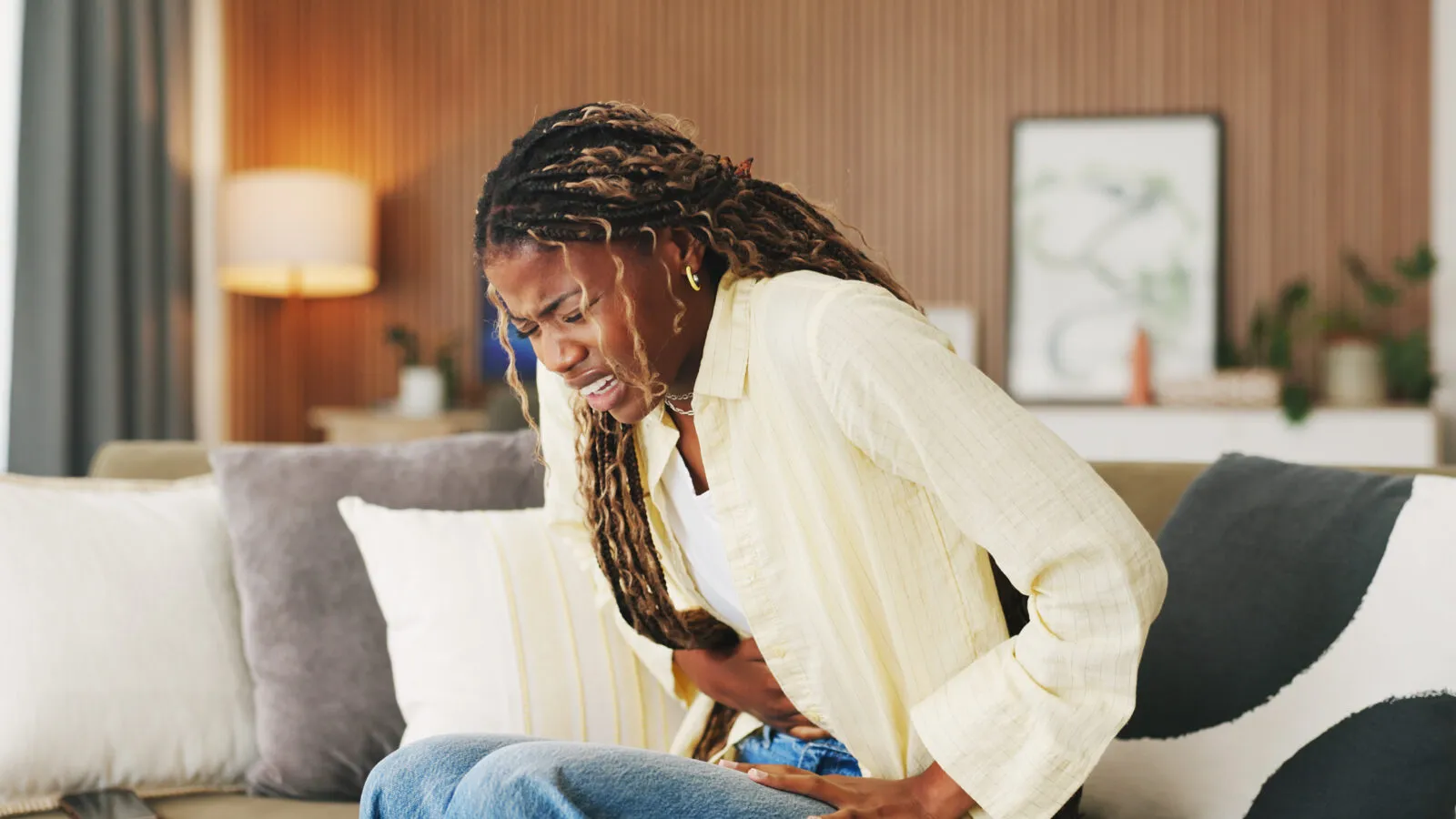
‘I knew I wasn’t fine’: Black women are fighting to be believed about PMOS symptoms
AI bias rating
Rated Center-left on a five-point scale from left to right.
- Left
- Center-left
- Center
- Center-right
- Right
Why this rating
- The story is told mainly through one patient's personal narrative (Breana Turner), with repeated 'Four years of...' phrasing that emphasizes the length of her diagnostic delay and builds an emotional appeal.
- Delayed diagnosis is framed mainly through racial inequity and the 'strong Black woman' stereotype, linking individual experience to systemic bias in healthcare.
- The article uses an advocacy framing, centering reproductive justice language ('listen to Black women, trust Black women') and ending with a list of questions to ask doctors, which positions the piece as patient-empowerment guidance.
- The renaming of PCOS to PMOS is presented as a positive but insufficient step, with emphasis on the need for more research and equitable care.
- The narrator's word 'Unfortunately' and the description of PMOS as 'widely misdiagnosed' are presented without sourcing, adding to the advocacy tone.
- No physicians, endocrinologists, or gynecologists are quoted to explain diagnostic criteria or why test results may appear normal.
- No data or studies are cited to quantify disparities in PMOS diagnosis or treatment among Black women compared with other groups.
- There is no perspective from medical organizations or researchers involved in the PCOS-to-PMOS renaming.
- Both main sources share an advocacy viewpoint; no views from health systems or clinicians on the challenges of diagnosing PMOS are included.
After years of symptoms and “normal” test results, Black women living with PMOS, formerly known as PCOS, say being heard by doctors can be a battle of its own.
AI summary
Black women living with PMOS (polyendocrine metabolic ovarian syndrome, formerly PCOS) say being believed by doctors can be a battle. Breana Turner, PhD, a translational scientist, had four years of symptoms, including hair loss, rapid weight gain and exhaustion, before her diagnosis in March 2025. For about two years she felt brushed off because her test numbers looked fine. She said the diagnosis explained her symptoms and helped her stop believing she was doing something wrong. Turner links delays in seeking help to the "Burden of Black Womanhood": cultural norms of suppressing emotions, presenting strength and being selfless. Dr. Regina Davis Moss, president and CEO of In Our Own Voice: National Black Women's Reproductive Justice Agenda, says Black women's pain must stop being normalized, both by the healthcare system and by Black women themselves. She calls the renaming an important shift but says research and equitable care are still needed. Both women urge self-advocacy. Davis Moss offers questions for patients to ask doctors, about tests, treatment options, fertility, menstrual cycles and metabolic monitoring.
- Breana Turner had four years of symptoms and "normal" test results before receiving a PMOS diagnosis in March 2025, and says she was brushed off for about two years.
- Dr. Regina Davis Moss says Black women's pain is normalized, rooted in stereotypes that Black women are strong and can endure suffering.
- The renaming of PCOS to PMOS reflects long-overlooked symptoms, but Davis Moss says research and equitable care for Black women remain the larger challenge.
- Turner describes a "Burden of Black Womanhood" (suppressing emotions, presenting strength, selflessness) that can lead to poor health outcomes, and stresses documenting symptoms to advocate for oneself.
- Davis Moss recommends questions for patients to ask doctors, covering whether PMOS explains their symptoms, tests, treatment options, fertility, menstrual effects and metabolic monitoring.