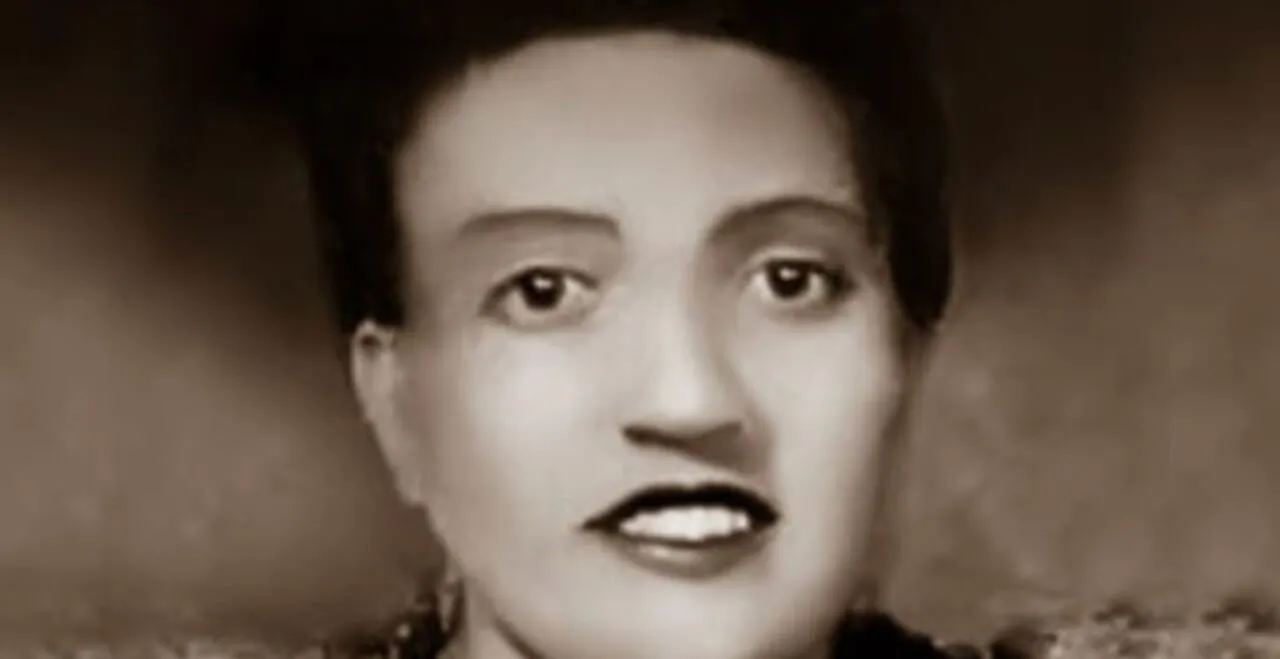
Henrietta Lacks’ legacy remains a family and institutional conversation 75 years after her death
AI bias rating
Rated Center-left on a five-point scale from left to right.
- Left
- Center-left
- Center
- Center-right
- Right
Why this rating
- The story opens with Ron Lacks' grievance against Johns Hopkins and gives his emotional social media posts prominent, extended quotation.
- Henrietta Lacks' story is framed as an ongoing struggle for justice, recognition and accountability, with sympathetic language toward the family.
- The article presents internal family divisions, noting that some descendants work with Hopkins while Ron and his father objected to the book and film.
- It notes that Johns Hopkins was not a defendant and says it never profited, which balances the implied criticism of the institution.
- The piece ends with Johns Hopkins' PR statement and its collaborative initiatives, giving the institution the final word.
- Corporate settlements are described as 'significant developments' in the pursuit of accountability, although their terms are not specified.
- Johns Hopkins did not respond directly to Ron Lacks' specific claim that the estate is not consulted, or to the denied book table request.
- Descendants who work with Hopkins, such as Jeri Lacks Whye, give no comment on Ron's criticisms.
- The pharmaceutical and biotechnology companies that settled or are being sued are not quoted.
- Bioethicists or legal experts are not consulted on consent standards in 1951 compared with today.
- Rebecca Skloot is not given a response to the family members' concerns about the book.
Unpacking the legacy of Henrietta Lacks 75 years after her death as her family continues to fight for justice and preserve her story.
AI summary
Seventy-five years after Henrietta Lacks' death, her grandson Ron Lacks, executor of her estate, criticized Johns Hopkins on Threads, saying his request for a book table at the 16th annual Henrietta Lacks Memorial Lecture was denied and that the estate is still not consulted about events held in her name. In 1951, doctors at Johns Hopkins Hospital collected her cervical cancer cells without her knowledge or consent. The cells, called HeLa, could multiply indefinitely and contributed to breakthroughs including the polio vaccine, cancer treatments and HIV research. Her family learned of this more than two decades later. Rebecca Skloot's 2010 book and a 2017 HBO film renewed attention, and family members differed on how her story was portrayed. Through the estate, the family has sued companies accused of profiting from HeLa cells, reaching agreements with Thermo Fisher Scientific (2023), Novartis and Viatris (2026), while litigation against Ultragenyx continues. Johns Hopkins was not a defendant and says it never sold or profited from the cells. It says it works closely with the Lacks family on the lecture and other initiatives, and several descendants support these efforts.
- Ron Lacks, Henrietta Lacks' grandson and estate executor, said Johns Hopkins denied his request for a book table at the memorial lecture and does not consult the estate about events in her name.
- Henrietta Lacks' cancer cells were taken without her knowledge or consent in 1951; the HeLa cells contributed to major medical advances, and her family learned of their use more than two decades later.
- Family members have held differing views on how her story was portrayed, including in Rebecca Skloot's book and the HBO film, but have sought accountability together.
- The estate reached agreements with Thermo Fisher Scientific, Novartis and Viatris, and litigation against Ultragenyx continues; Johns Hopkins was not a defendant and says it never sold or profited from the cells.
- Johns Hopkins says it works closely with the Lacks family, citing the annual lecture, scholarships and a research building named for her; several descendants support these efforts and will attend the event.