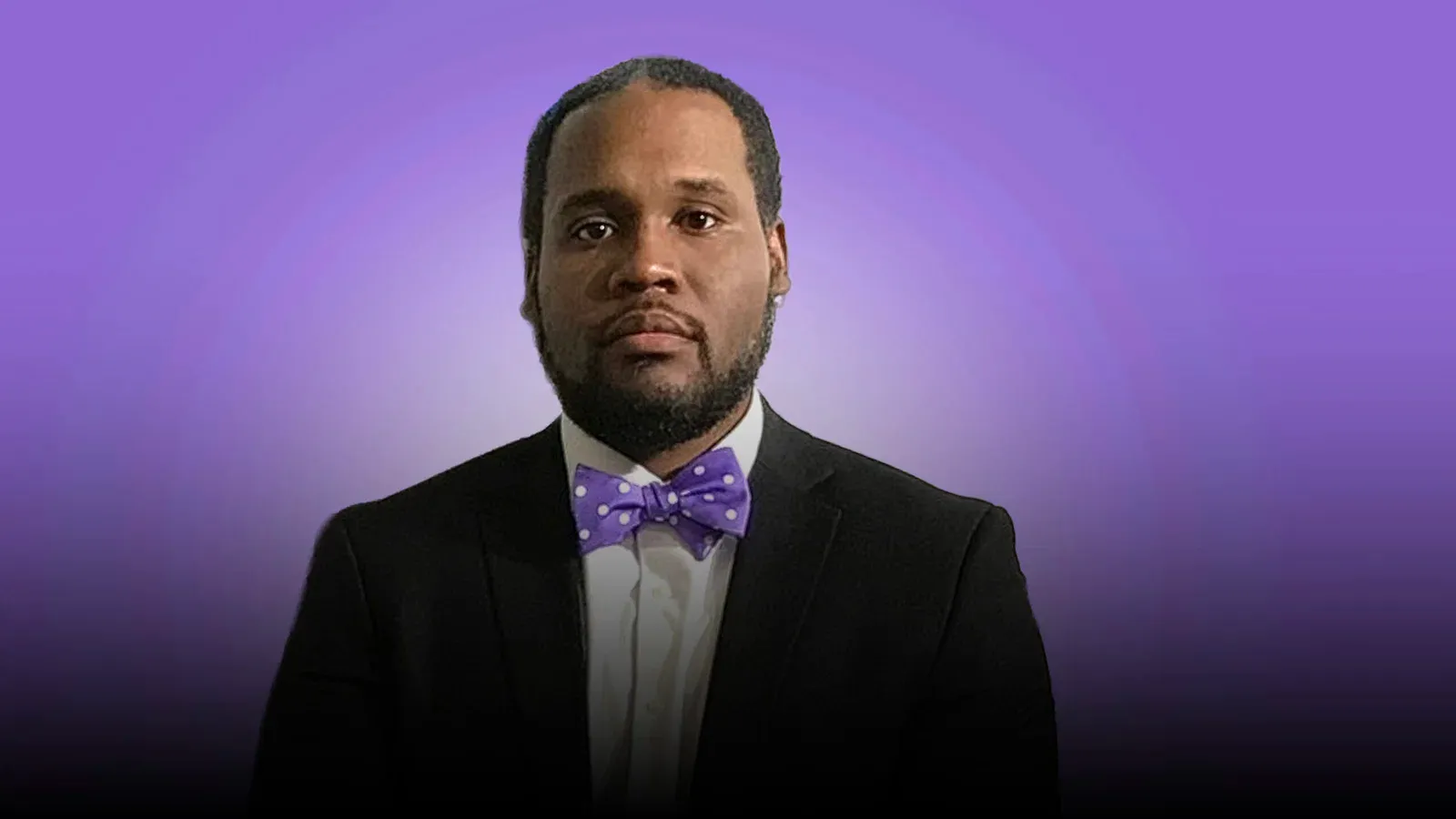
Atlanta Civil Rights Attorney Gerald Griggs Admitted To Supreme Court Bar
AI bias rating
Rated Center-left on a five-point scale from left to right.
- Left
- Center-left
- Center
- Center-right
- Right
Why this rating
- The article is a celebratory profile that frames the admission as a milestone for Black attorneys and for civil rights advocacy.
- The subject's own framing (honor, significance, priorities) is relayed largely without other voices.
- It notes that the attorney statistics have not been independently verified, which adds a measure of caution.
- It links the admission to Atlanta's civil rights history and to figures such as Thurgood Marshall and Fred Gray.
- The policy goals (qualified immunity, Graham v. Connor) are presented from a reform-oriented perspective.
- No law enforcement or police union perspective on the use-of-force standards or on qualified immunity.
- No legal experts commenting on the significance of admission to the Supreme Court bar, which many attorneys obtain.
- No independent data source on how many attorneys, and how many Black attorneys, practice before the Supreme Court.
- No viewpoints defending the Graham v. Connor standard.
Griggs, a former president of the Georgia NAACP, announced his admission Nov. 9, calling it one of the greatest honors of his legal career
AI summary
Atlanta civil rights attorney Gerald Griggs, a former president of the Georgia NAACP and the Atlanta NAACP, has been admitted to practice before the U.S. Supreme Court, FOX 5 Atlanta reports. He announced the admission Nov. 9, calling it one of the greatest honors of his legal career. Griggs estimates that about 300 attorneys nationwide actively practice before the court, including 19 African Americans; these figures have not been independently verified. He said the achievement means a lot given Atlanta's history in the civil rights movement and acknowledged pioneering Black attorneys such as Thurgood Marshall and Fred Gray. Griggs said he intends to focus on police brutality, qualified immunity and voting rights, including examining the 1989 Graham v. Connor decision, which set the objective reasonableness standard for excessive-force claims under the Fourth Amendment. He hopes to pursue greater clarity on how courts judge whether police use of force is constitutionally reasonable. He has not announced a specific case he plans to bring before the justices.
- Gerald Griggs, former president of the Georgia and Atlanta NAACP, announced Nov. 9 that he was admitted to practice before the U.S. Supreme Court.
- Griggs estimates about 300 attorneys actively practice before the court nationwide, including 19 African Americans; the figures have not been independently verified.
- He cited Atlanta's civil rights history and acknowledged pioneering attorneys Thurgood Marshall and Fred Gray.
- He plans to focus on police brutality, qualified immunity and voting rights, including the 1989 Graham v. Connor excessive-force standard.
- Griggs has not announced a specific case he intends to bring before the Supreme Court.