American Communities Are Pushing Back On Using Fluoride In Public Drinking Water
AI bias rating
Rated Center on a five-point scale from left to right.
- Left
- Center-left
- Center
- Center-right
- Right
Why this rating
- The headline and opening present fluoridation as a growing controversy driven by community pushback, which centers the opponents' momentum.
- The historical background cites the cavity-prevention rationale, but most of the article's length goes to opponents' claims and recent federal developments that favor halting fluoridation.
- The Fluoride Action Network's claims, including toxicity, the practices of other countries and 500 community rejections, are attributed but not paired with any response from public health bodies.
- The section heading 'Federal Leaders Getting Louder About Halting Fluoride Usage' groups an agency report, a court ruling and a political nominee as one trend toward ending fluoridation.
- The article does qualify the IQ finding by noting that the affected communities used more than twice the recommended limit, which adds some context.
- Dental and public health organizations that support fluoridation, such as the American Dental Association or the CDC, are not quoted.
- No response from the EPA or HHS to the court ruling or the toxicology report is included.
- Local officials or residents in communities that have kept fluoridation are absent.
- Experts are not asked whether the IQ findings apply at the recommended fluoride levels used in the U.S.
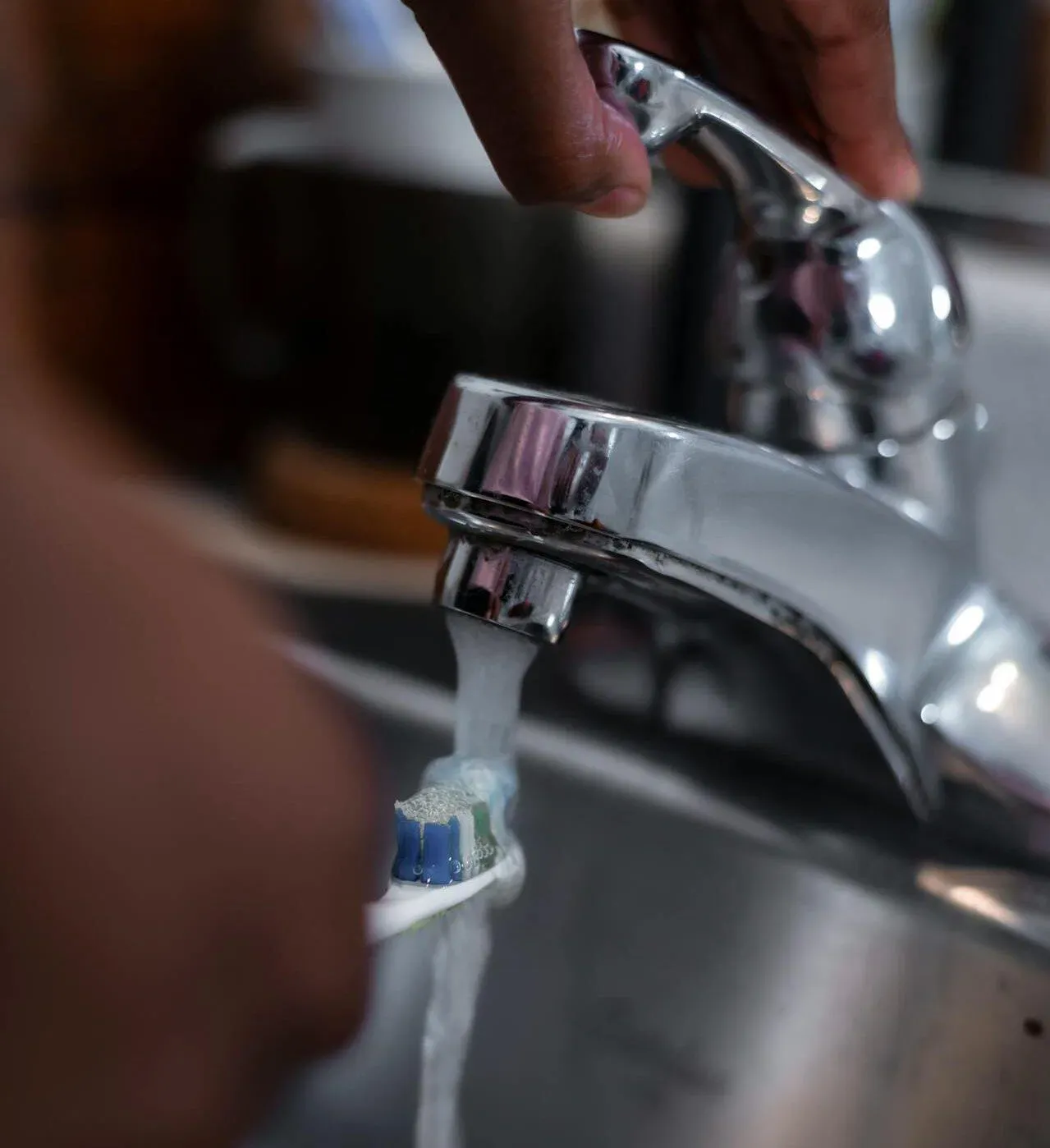
By 1962, the United States Public Health Service (PHS) recommended fluoride in public drinking water supplies to mitigate tooth decay.
AI summary
Communities across the United States are debating whether to continue fluoridation, the practice of adding fluoride to public drinking water, which began around 1945. According to the American Cancer Society, it spread nationwide after scientists observed fewer cavities among people with higher water fluoride levels; in 1962 the U.S. Public Health Service recommended it to reduce tooth decay, and today it reaches roughly three out of four Americans. Opponents, led by the Fluoride Action Network (FAN), argue fluoride compounds are toxic, say most developed countries do not fluoridate at the same level or at all, and claim to have helped more than 500 communities reject the practice. The issue has gained prominence in recent months: the National Toxicology Program reported with "moderate confidence" a link between higher fluoride exposure—more than twice the recommended limit, per the Associated Press—and lower IQs in children. A federal judge reportedly ordered the EPA to further regulate fluoride in drinking water, and Robert F. Kennedy, President-elect Donald Trump's nominee to lead Health and Human Services, said he would end fluoridation.
- Fluoridation began around 1945 and was recommended by the U.S. Public Health Service in 1962 to reduce tooth decay; it now reaches about three in four Americans, per the American Cancer Society.
- The Fluoride Action Network says fluoride compounds are toxic, that most developed countries do not fluoridate at the same level or at all, and that it has helped over 500 communities reject fluoridation.
- The National Toxicology Program reported with "moderate confidence" a link between higher fluoride exposure (over twice the recommended limit) and lower IQs in children.
- A federal judge reportedly ordered the EPA to further regulate fluoride in drinking water due to potential impacts on children.
- Robert F. Kennedy, Trump's nominee to lead the Department of Health and Human Services, said he would end fluoridation.