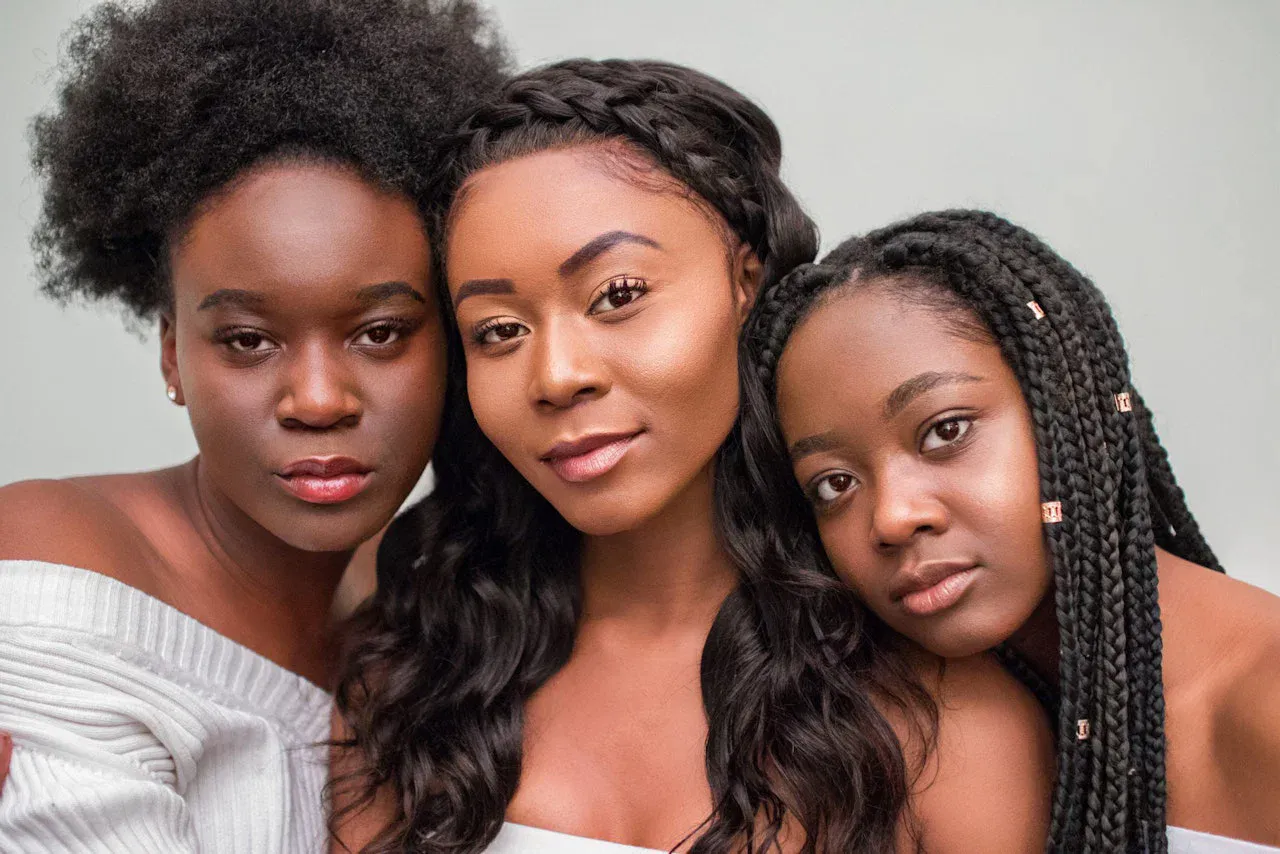
‘Coils To Locs’ Creates Diverse Medical Wigs For Black Women
AI bias rating
Rated Center-left on a five-point scale from left to right.
- Left
- Center-left
- Center
- Center-right
- Right
Why this rating
- The story is framed as a personal journey from patient to entrepreneur, which centres the founders' experience and casts the business sympathetically.
- The lack of textured-hair medical wigs is framed as a racial equity issue, which is reinforced by Shaddock's quote about Black women having a 'subpar experience.'
- Market-size figures and promotional language from the research report are used to legitimize the venture.
- The article reads like a promotional profile; it does not examine the company's products, prices or quality.
- The narrator adopts the founders' characterization of institutions as dismissive and apathetic without attribution.
- No response from hospitals, cancer centre boutiques or medical institutions about why they lacked textured wig options.
- No independent experts, such as dermatologists or oncology staff, on medical hair loss in Black women.
- No customers or patients who have used Coils to Locs products.
- No information on other companies that may offer culturally specific medical wigs.
- No source or methodology given for the claim that nearly 50% of Black women have some form of hair loss.
"Coils to Locs" is entering a nearly $1 billion industry.
AI summary
Dianne Austin and Pamela Shaddock founded "Coils to Locs" to fill a gap in the medical wig industry for Black women. After losing her hair from chemotherapy during breast cancer treatment, Austin found that medically prescribed wigs lacked "culturally sensitive" options. She told the Baystate Banner she had two weeks to find a wig, but the hospital where she was treated had none, and nearby "cancer center boutiques" sold only straight-haired wigs. Austin first thought the problem was her location. The two sisters then called cancer boutiques across the country and met dismissal and apathy. Shaddock said Black women were having a subpar experience simply because their hair is different. A Persistence Research study cited in the article says the medical wig industry generates $750 million a year and could reach $1.6 billion by the end of 2031, calling quality wigs an "essential aid in restoring confidence." Shaddock said nearly 50% of Black women in the U.S. live with some form of hair loss from causes such as autoimmune diseases and certain medications. Coils to Locs offers its services online and in medical boutiques nationwide.
- Dianne Austin and Pamela Shaddock founded Coils to Locs to provide culturally sensitive medical wigs for Black women.
- Austin found that cancer center boutiques offered only straight-haired wigs after chemotherapy caused her hair loss.
- When the sisters called cancer boutiques nationwide, they say they were met with dismissal and apathy.
- A Persistence Research study puts the medical wig industry at $750 million a year, projected to reach $1.6 billion by the end of 2031.
- Shaddock said nearly 50% of Black women in the U.S. live with some form of medical or non-medical hair loss; the company's services are offered online and in medical boutiques nationwide.