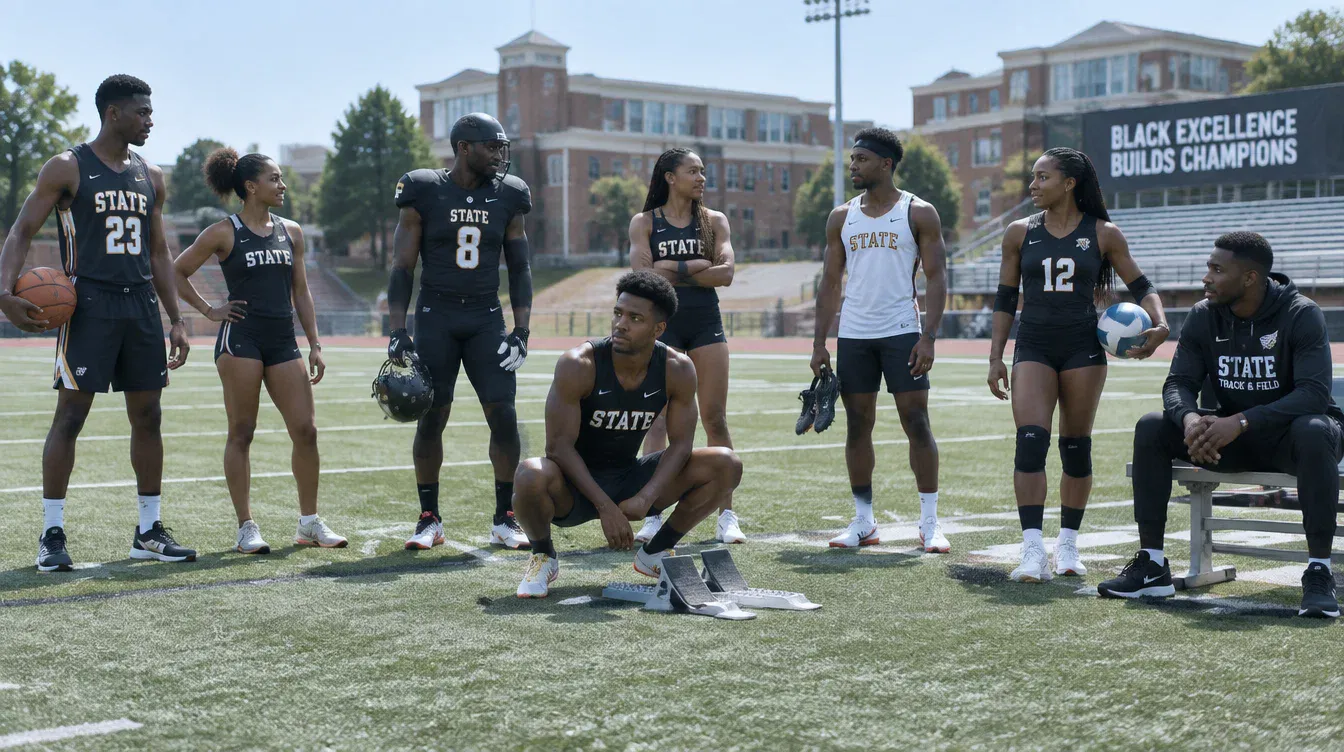
Can A College Sports Bill Hurt Black Athletes? Obama’s Brother-In-Law Says It Won’t
AI bias rating
Rated Center on a five-point scale from left to right.
- Left
- Center-left
- Center
- Center-right
- Right
Why this rating
- The headline frames the story around Robinson's family tie to the Obamas rather than his professional role, using celebrity association to draw attention.
- The headline poses a question and centers the answer from the bill's defender, giving his view top billing.
- The article gives both sides space: Robinson's quotes, and the NAACP's position with statistics on Black athletes' share of rosters.
- The bill's bipartisan sponsorship, the 77-22 procedural vote and White House support are emphasized, which may lend it an air of broad legitimacy.
- The closing paragraph frames the debate neutrally around federal structure versus athlete leverage.
- The sourcing relies on Fox News for Robinson's quotes and on the Senate Commerce Committee for the bill's description.
- No current Black student-athletes are quoted on how the bill would affect them.
- There is no detailed response from the NAACP to Robinson's argument about transfers and degree completion.
- There is no data on how transfers actually affect athletes' graduation rates.
- Views from athletes' advocacy groups, players' associations or legal experts on antitrust and employment issues are absent.
- The perspectives of senators who voted against the bill are not included.
The debate over who controls the future of college sports is heating up in Washington, with Black athletes, name-image-and-likeness rights, and billions of dollars in athletic revenue at the center...
AI summary
Craig Robinson, executive director of the National Association of Basketball Coaches and brother of former first lady Michelle Obama, is pushing back against criticism that the Protect College Sports Act could disproportionately harm Black student-athletes, Fox News reports. The bipartisan bill, sponsored by Sens. Ted Cruz and Maria Cantwell, would set federal rules on NIL compensation, transfers, eligibility, recruiting and revenue sharing. The Senate advanced it this month through procedural votes, including a 77-22 vote. Robinson disagreed that it would strip Black athletes of agency gained in the NIL era and argued that frequent transfers make it harder to earn degrees. NAACP President Derrick Johnson holds the opposite view: in an August letter, the NAACP said Black men make up about 66% of football rosters in the ACC, SEC and Big 12, warned that the bill could add protections for institutions and conferences without addressing concerns about Black political and economic power, and urged the Senate to reject it. Supporters call it an effort to create consistent national rules, and the White House administration has formally backed the bill.
- Craig Robinson, head of the National Association of Basketball Coaches, rejects criticism that the Protect College Sports Act would disproportionately harm Black athletes.
- The bipartisan bill from Sens. Ted Cruz and Maria Cantwell would create federal rules on NIL, transfers, eligibility, recruiting and revenue sharing; the Senate advanced it, including in a 77-22 vote.
- Robinson argues that athletes who transfer to four or five schools cannot get an education, and that the system must be fixed.
- The NAACP, led by Derrick Johnson, urges the Senate to reject the bill, noting that Black men make up about 66% of football rosters in the ACC, SEC and Big 12 and warning that it favors institutions and conferences.
- The White House administration formally supports S. 4668, and the OMB said in August it would recommend that the president sign it.