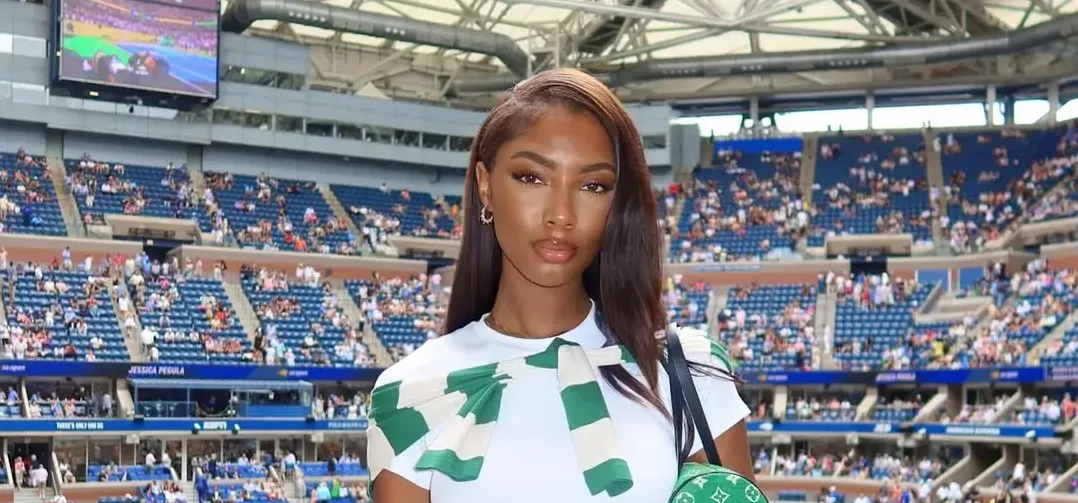
White Influencer Faces Backlash for Posting AI Image Placing Her Face on a Black Creator’s Body
AI bias rating
Rated Center-left on a five-point scale from left to right.
- Left
- Center-left
- Center
- Center-right
- Right
Why this rating
- The story is framed through a racial lens (White vs. Black creator), and a section on the influencer pay gap links an individual AI misuse incident to systemic inequity.
- The article closes with an unattributed editorial statement of hope that the incident will highlight Black influencers' struggles and prompt change. This signals an advocacy stance.
- Boultier's apology is quoted at length, but Elizabeth's rebuttal questioning its sincerity is given the last word on the dispute.
- The pay gap statistic from a single agency report is presented without context or methodology and serves as a bridge to the editorial conclusion.
- The article spends little on the broader issue of AI content systems used by influencer teams, beyond Boultier's explanation.
- No comment from Boultier's team or the AI content system provider about how the image was generated.
- There is no independent expert view on AI image misuse, copyright, or likeness rights.
- The article gives no detail or methodology for the Sevensix report, and no other data sources on influencer pay disparities.
- No response from Boultier to Elizabeth's claim that the apology was insincere.
White Influencer Lauren Blake Boultier used AI to place her face on a photo of Black influencer Tatiana Elizabeth, according to People Magazine. The image was a 2-year-old photo of Elizabeth at the…
AI summary
White influencer Lauren Blake Boultier faced backlash after sharing an AI-altered image that placed her face on a two-year-old photo of Black influencer Tatiana Elizabeth at the US Open, according to People Magazine. Boultier posted the image to her 1.6 million followers last month with a Miami geotag, leading them to believe she was at the Miami Open. Social media users noticed the photo belonged to Elizabeth, who on March 30 posted both images side by side on Threads, showing the same clothes, pose and background. In an interview with TMZ, Boultier said she took full responsibility and that the image came from an AI content system her team uses. She said she did not see the original or intentionally copy anyone, deleted the post, and plans to be more intentional about her content. Elizabeth said she did not believe the apology was sincere. She noted that Serena Williams had personally invited her to the US Open and said Black women have historically been copied without receiving due credit. The article cites a Sevensix agency report finding that Black influencers earn 34.04% less than white influencers.
- Lauren Blake Boultier used AI to place her face on a two-year-old photo of Tatiana Elizabeth at the US Open and geotagged it as Miami, implying she attended the Miami Open.
- On March 30, Elizabeth posted the original and altered images side by side on Threads, showing identical clothes, pose and background.
- Boultier told TMZ she takes full responsibility, said the image came from her team's AI content system and that she did not intentionally copy anyone, and deleted the post.
- Elizabeth called the apology insincere and said Black women have historically been copied without receiving credit; she said Serena Williams had invited her to the US Open.
- The article cites a Sevensix agency report stating Black influencers earn 34.04% less than white influencers.