Companies That Kept DEI Programs Performed Just As Well As Those That Dropped Them, Study Finds
AI bias rating
Rated Center-left on a five-point scale from left to right.
- Left
- Center-left
- Center
- Center-right
- Right
Why this rating
- The headline says DEI-keeping firms performed 'just as well', but the body also says they performed 'better' in the days after the executive orders. The framing leans toward the more favorable reading of the study.
- Target's falling foot traffic after its rollback is placed next to Costco's rising traffic after keeping DEI, which implies a causal link that the article does not establish.
- Companies that kept DEI are described with resistance language ('stood firm', 'upheld'), while opponents are labeled as conservative think tanks or a political official.
- The study is presented through a single researcher, with no independent evaluation of its methods or limitations.
- The question-and-answer structure ('What did the research find?', 'Which companies stood firm...?') guides readers toward a favorable view of keeping DEI.
- Companies that rolled back DEI programs, and their stated reasons for doing so.
- Proponents of the executive orders, or critics of DEI, responding to the study's findings.
- Independent economists or researchers commenting on the study's methodology and limitations.
- The views of the National Center for Public Policy Research or of FCC Chairman Brendan Carr in their own words.
- Other factors that may explain the changes in Target's and Costco's foot traffic.
New research has found that companies that kept their DEI initiatives performed just as well as companies that did not. The research that was shared with the Guardian examined how well S&P 500…
AI summary
New research shared with the Guardian found that S&P 500 companies that kept their DEI initiatives performed just as well financially as those that dropped them after Trump signed his 2025 executive order. Jacob Grumbach, an associate professor at UC Berkeley's Goldman School of Public Policy, used "abnormal returns," the difference between a stock's expected and actual performance. Companies that kept DEI policies or voted against anti-DEI shareholder proposals performed comparably to firms that rolled back DEI. In the days after the orders were signed, companies keeping DEI performed better on the stock market. The article says DEI's effect on the bottom line may depend on consumers. After Target rolled back DEI, over 100,000 people pledged a 40-day boycott and its foot traffic fell for 11 straight weeks, while Costco's rose after it kept its DEI practices. Apple, Costco and Disney stood by their DEI practices despite shareholder proposals, some from conservative think tanks, and the article says Verizon upheld its DEI commitments after FCC Chairman Brendan Carr urged it to reverse course.
- UC Berkeley researcher Jacob Grumbach found S&P 500 companies that kept DEI performed financially on par with those that rolled it back after Trump's 2025 executive order.
- The study used "abnormal returns" and found that firms keeping DEI did better on the stock market in the days right after the orders were signed.
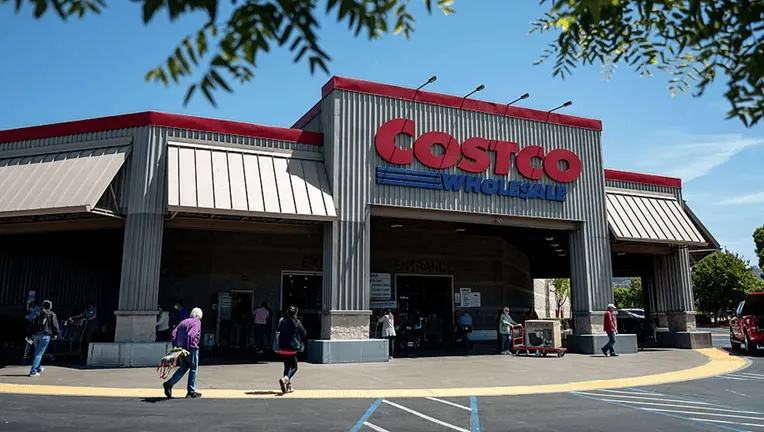
- After Target rolled back DEI, over 100,000 people pledged a 40-day boycott and its foot traffic fell for 11 consecutive weeks; Costco's foot traffic rose after it kept DEI.
- Apple's board opposed a proposal to consider abolishing its diversity program, Costco rejected a shareholder challenge, and Disney shareholders rejected a proposal to leave the HRC's corporate equity index.
- The article says Verizon upheld its DEI commitments after FCC Chairman Brendan Carr urged it to reverse them.