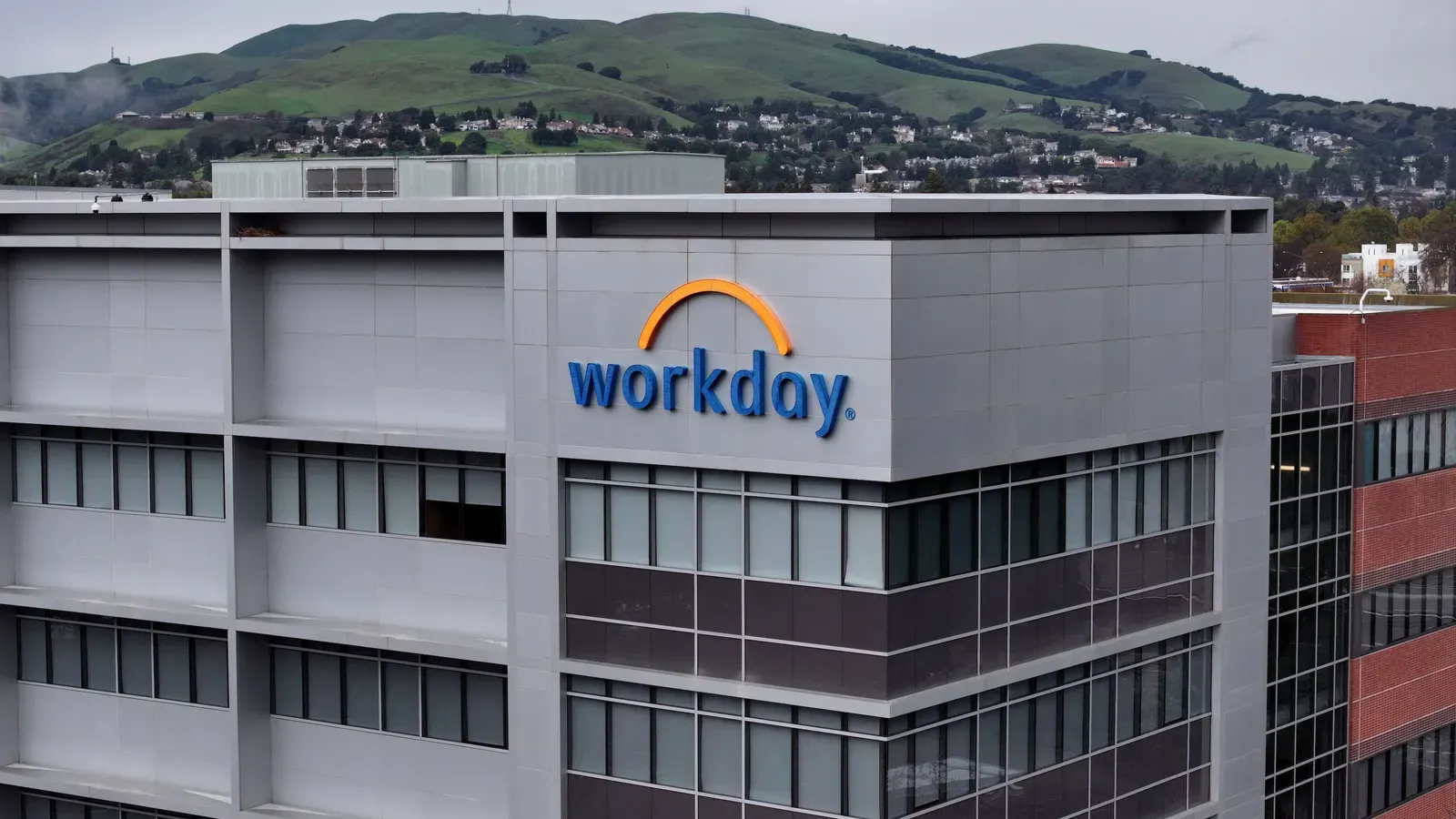
California Judge Allows Discrimination Claims To Proceed In Lawsuit Against Workday’s AI Hiring Tools
AI bias rating
Rated Center-left on a five-point scale from left to right.
- Left
- Center-left
- Center
- Center-right
- Right
Why this rating
- The story is framed around the plaintiffs' progress. Headings stress the judge 'upholding' claims and the alleged discrimination.
- The plaintiff Derek Mobley is introduced with personal details (Black, disabled, in his 40s, over 100 rejected applications), which humanizes the plaintiff side.
- Extended quotes from the judge's order critical of Workday get prominence. Workday's response comes only briefly at the end.
- The article does include Workday's statement that the ruling is preliminary and based on allegations, not evidence, which adds some balance.
- The first paragraph's description of the California-law ruling is confusing. It does not clearly separate what was allowed from what was dismissed.
- A 'Hughes' is mentioned as a claimant without introduction, which leaves the reader without context.
- The article does not explain how Workday's AI screening tools work or Workday's defense on technical grounds.
- Independent experts on AI hiring bias or employment law offer no comment.
- The employers who use Workday's software and make the final hiring decisions are not addressed.
- Workday's argument that the California law claims should be limited is described only in passing.
- Plaintiffs' attorneys are not quoted directly about next steps.
A California judge is upholding more recent claims against Workday in its anti-discrimination lawsuit. Judge Rita F. Lin said under California law, the company could face discrimination for an…
AI summary
A California judge, Rita F. Lin, has allowed newer claims to proceed in a collective-action lawsuit alleging that Workday's AI-powered hiring tools discriminate against applicants aged 40 and older. According to the article, she ruled that under California law Workday could face discrimination claims over conduct at its California headquarters, after Workday argued that state anti-discrimination laws did not cover its screening of applicants outside California applying for jobs in other states and countries. Citing Reuters, the article says she rejected Workday's effort to dismiss the newer claims, including a disability discrimination claim by Hughes under the Americans with Disabilities Act, and did not reject a claim that the software can filter applications using "proxy indicators" of disability or illness. She also granted preliminary certification of a collective action on the age claim. The lawsuit was first filed in February 2023 by Derek Mobley, a Black, disabled man in his 40s who says he applied for over 100 jobs without being hired. Workday says the case is without merit and calls the decision a preliminary, procedural ruling based on allegations, not evidence.
- Judge Rita F. Lin rejected Workday's attempt to dismiss newer claims in the lawsuit over its AI hiring tools, including a disability discrimination claim by Hughes under the Americans with Disabilities Act.
- According to the article, she ruled that Workday could face claims under California law over conduct at its California headquarters, after Workday argued state law did not cover out-of-state applicants.
- She did not reject a claim that Workday's software can filter applications using "proxy indicators" of disability or illness.
- She granted preliminary certification of a collective action on the age claim, saying applicants were allegedly forced to compete on unequal footing and that alleged widespread discrimination is not a reason to deny notice.
- Workday says the case is without merit and that the ruling is preliminary and procedural, based on allegations rather than evidence.