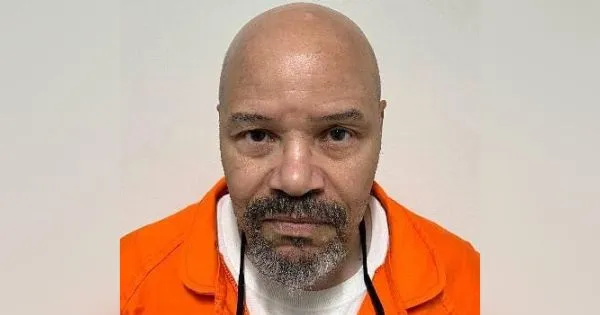
Black Man Who Spent Decades on Death Row Finally Released on Bail After DNA Tests Show No Match to 1985 Murder
AI bias rating
Rated Center-left on a five-point scale from left to right.
- Left
- Center-left
- Center
- Center-right
- Right
Why this rating
- The story is told mainly from the defendant's side, emphasizing his long-held claim of innocence, a coerced confession, recanting witnesses and police misconduct.
- The headline highlights the defendant's race and uses 'Finally', suggesting a long-overdue correction of an injustice.
- Defense claims, such as the reports of a White man seen leaving the home and questions about the victim's husband, are reported without any response from the people involved.
- The victim's family's opposition to the release appears only briefly, at the end of the article.
- Police or the original investigators responding to the allegations of coercion, bribery and threats against witnesses.
- The prosecution's reasons for originally pursuing Carter, beyond the confession and witness testimony.
- Any response from or about Orla Olesen to the questions the defense raised.
- A fuller account of why the victim's family opposes the release.
Nationwide — Douglas Stewart Carter, a 71-year-old African American man who was wrongfully convicted of murder and spent about four decades on Utah’s death row, has been ordered released on […] The…
AI summary
Douglas Stewart Carter, 71, who spent about four decades on Utah's death row for the 1985 killing of Eva Olesen, has been ordered released on bail after new DNA testing excluded him as a match to crime-scene evidence. Olesen, aunt of the then-Provo police chief, was stabbed and shot during a robbery at her home. Carter, who has always maintained his innocence, was convicted based on a confession he says was coerced and on testimony from two witnesses. In 2011 both witnesses said they had lied and that police had given them money and gifts and threatened deportation. The defense also argued that investigators failed to pursue other suspects. Last year the Utah Supreme Court ordered a new trial, citing intentional misconduct by police and a prosecutor, according to CNN. Results received September 22 excluded Carter as a match to blood on a doorknob and to genetic material on the knife handle. Prosecutors withdrew their notice seeking the death penalty in the retrial scheduled for 2027 and said reconsidering bail was necessary while they review the remaining evidence. The victim's family opposed his release but hopes investigators will determine who was responsible.
- Douglas Stewart Carter, 71, was ordered released on bail after about four decades on Utah's death row for the 1985 murder of Eva Olesen.
- New DNA testing excluded Carter as a match to blood on a doorknob and to genetic material on the handle of the knife used to stab Olesen.
- Carter's conviction rested on a confession he says was coerced and on testimony from two witnesses who in 2011 said they had lied and that police had paid and threatened them.
- According to CNN, the Utah Supreme Court ordered a new trial last year, citing intentional misconduct by police and a prosecutor. Prosecutors have since dropped their pursuit of the death penalty in the retrial scheduled for 2027.
- The victim's family opposed Carter's release but hopes investigators will determine who killed Eva Olesen.