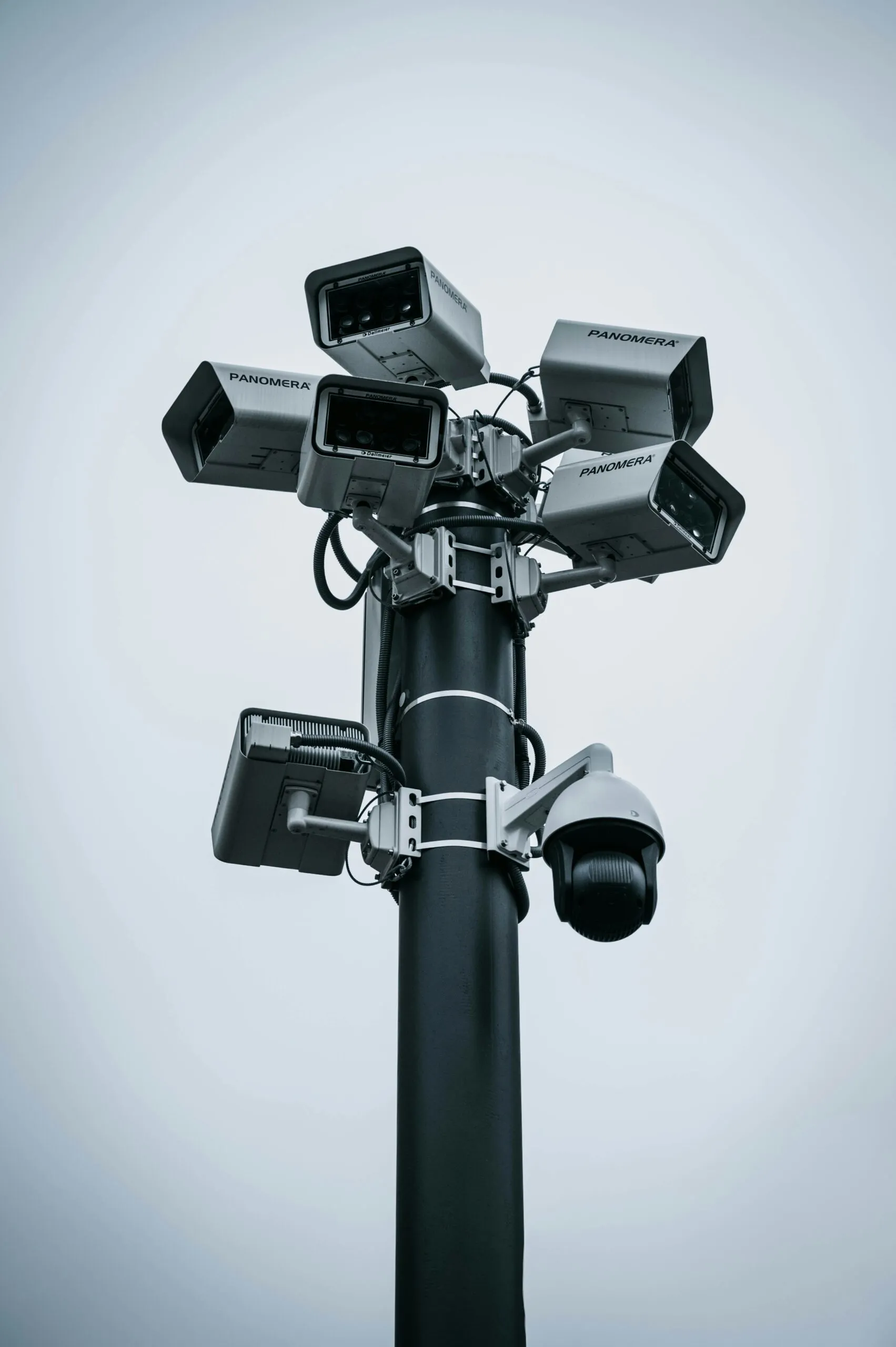
South Africa Deploys Drones, AI and CCTV Ahead of Anti-Migrant Protests
AI bias rating
Rated Center on a five-point scale from left to right.
- Left
- Center-left
- Center
- Center-right
- Right
Why this rating
- The story is framed mainly as a technology and policing story. The scale and sophistication of the surveillance are foregrounded over the protest itself or the social tensions behind it.
- The headline mentions AI, but the body never describes any AI use.
- Migrants' concerns are described briefly and indirectly through other outlets (TechCabal, BBC), while police officials get direct quotes.
- The only expert voice praises the deployment as modernisation, giving the surveillance a positive tone.
- The protests are labelled 'anti-migrant', yet the organising movement is described with its own 'anti-illegal-immigration' label.
- Civil liberties and privacy advocates on mass surveillance of protests.
- Representatives of the March and March movement explaining their aims.
- Migrants or migrant organisations speaking directly.
- Any examination of cost-effectiveness or criticism of the R600 million expenditure.
- Details on how, or whether, AI is actually used, as claimed in the headline.
South Africa is rolling out over 33,000 CCTV cameras, drones, and helicopters, and deploying 13,000 law enforcement officers across Gauteng Province ahead of Tuesday’s anti-migrant protests. The…
AI summary
South Africa is deploying more than 33,000 CCTV cameras, drones and helicopters, along with 13,000 law enforcement officers, across Gauteng Province ahead of Tuesday's anti-migrant protests. According to Business Insider Africa, the operation will cost an estimated R600 million ($35.5 million) and will be the largest domestic security operation in recent years. The operation follows concerns from migrant communities, some of whom are seeking refuge at embassies and advice in Johannesburg and Cape Town. TechCabal reported that some migrants have left their homes and businesses ahead of demonstrations organised by the anti-illegal-immigration movement March and March. The BBC reported that South African police say 25,000 have returned to their countries of origin. Gauteng Police Commissioner Lieutenant-General Tommy Mthombeni said authorities had identified potential hotspots and will use integrated surveillance systems, including a downlink, to monitor events in real time and identify lawbreakers. Chad Thomas of IRS Forensic Investigations said the deployment highlights technological progress for South African policing, noting that most other countries already use such technologies.
- South Africa is deploying over 33,000 CCTV cameras, drones, helicopters and 13,000 law enforcement officers across Gauteng ahead of Tuesday's anti-migrant protests.
- The operation is estimated to cost R600 million ($35.5 million) and is described by Business Insider Africa as the largest domestic security operation in recent years.
- Some migrants have sought refuge at embassies or left homes and businesses ahead of protests by the March and March movement; the BBC reports police say 25,000 have returned to their countries of origin.
- Gauteng Police Commissioner Tommy Mthombeni said hotspots have been identified and real-time surveillance via a downlink will be used to identify those breaking the law.
- Chad Thomas of IRS Forensic Investigations said the deployment marks technological progress for South African policing, which he said tends to be labour-intensive.