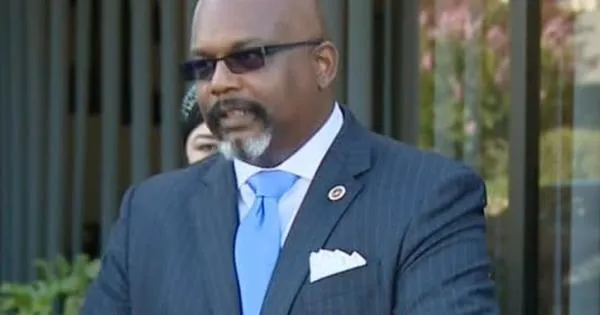
Attorney Zulu Ali Explains How Foundational Black Americans Built a Culture, America, and a Swag the World Envies and Imitates
By Attorney Zulu Ali Nationwide — Foundational Black Americans (FBA) are a distinct American people descended from the Black Americans who arrived during the transatlantic slave trade and built this…
AI summary
In an opinion piece, attorney Zulu Ali rejects the claim that Foundational Black Americans (FBAs), descendants of Africans brought to America through the transatlantic slave trade, have no culture. He argues FBAs built a distinct culture and helped build the nation over centuries. He notes that many modern African nation-states, such as Nigeria (named in 1897, amalgamated in 1914), are younger than the FBA experience, which dates to around 1619. He says that while Europe partitioned Africa, FBAs were building churches, schools, businesses and political institutions. He criticizes immigrants who disparage FBA culture while benefiting from a country he says FBAs helped build and whose freedoms they expanded. He cites FBA music genres, institutions, inventors, leaders and the Civil Rights Movement as evidence. He describes survivors of the Middle Passage and slavery as showing extraordinary strength, and offers a spiritual view that opposition follows God's favor. He says this position does not disrespect Africa and urges FBAs to answer critics with historical 'receipts.'
- Ali argues FBAs built a distinct culture on American soil over centuries rather than merely inheriting one, and says it is widely imitated worldwide, today called 'swag.'
- He notes that modern states such as Nigeria (named 1897, amalgamated 1914) are younger than the FBA experience, which he dates to around 1619.
- He criticizes immigrants who say FBAs have no culture, arguing FBAs helped build America and won struggles that expanded freedom for others.
- As evidence he cites genres from spirituals to hip-hop, the Black church, HBCUs, inventors, military service, leaders like Douglass and King, and the Civil Rights and Voting Rights Acts.
- He portrays FBAs as descendants of survivors of the Middle Passage and slavery, adds a spiritual view that opposition follows God's favor, and says his view does not disrespect Africa.