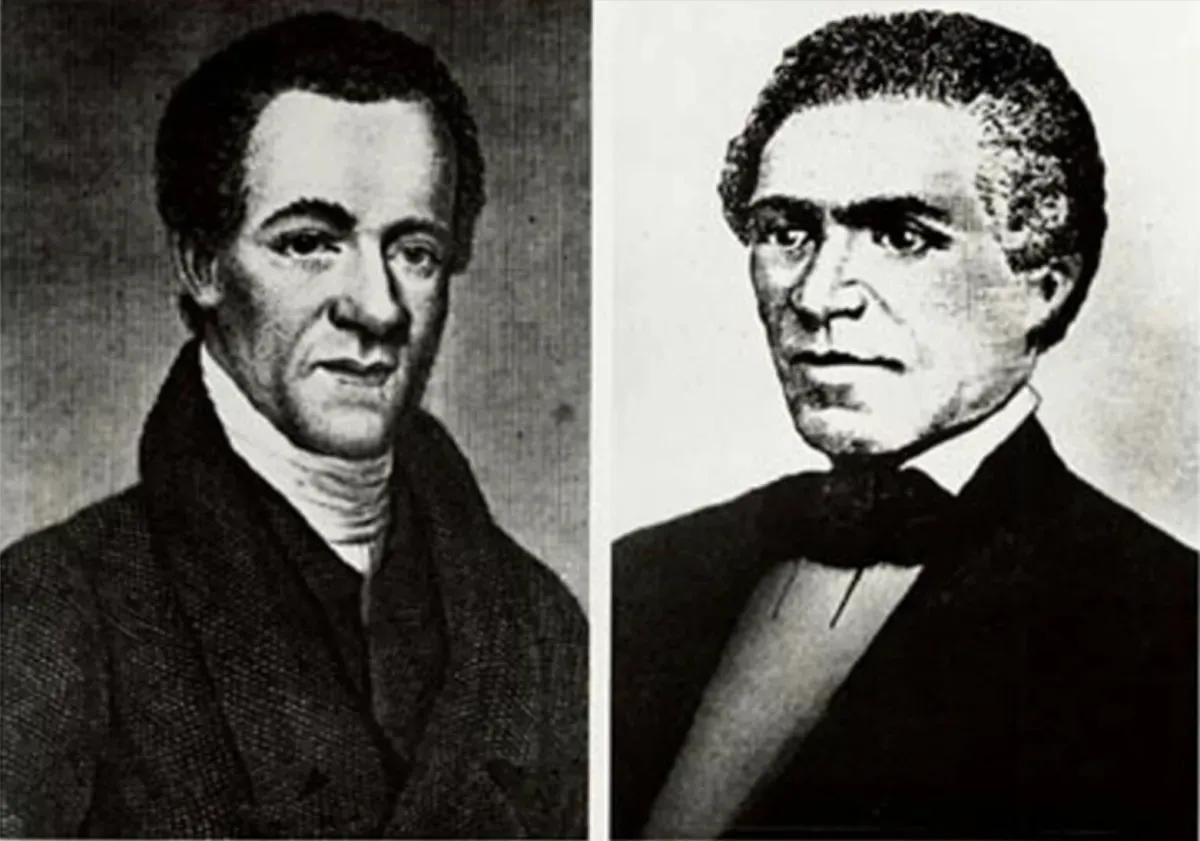
BHM100: Celebrating “Freedom’s Journal,” the 1st Black-Owned Newspaper in the U.S.
by Lori Lakin Hutcherson, GBN Founder and Editor-in-Chief Sick and tired of having to constantly read racist commentary in the mainstream press of the United…
AI summary
Freedom's Journal, founded by free Black Americans Rev. Samuel E. Cornish and John B. Russwurm, was the first Black-owned newspaper of record in the United States. According to the article, the founders started it because they were tired of the racist commentary in the mainstream press. The four-page weekly first appeared on March 16, 1827, in New York City, the same year New York State abolished slavery. At its peak it circulated in 11 states, the District of Columbia, Haiti, Europe and Canada. Alongside general and international news, it ran editorials against slavery and lynching, challenged racist attacks in other papers, and advocated for voting rights and for the repatriation of Black people to Africa. It also celebrated Black achievements, published biographies of prominent African Americans, and listed births, deaths and marriages in New York's African-American community. The paper folded in 1829, shortly before Russwurm emigrated to Liberia. The article says it helped spawn at least 40 similar papers over the next four decades and began the tradition of the Black Press in America. All 103 issues are digitized on wisconsinhistory.org.
- Rev. Samuel E. Cornish and John B. Russwurm founded Freedom's Journal, first published March 16, 1827, in New York City, as the first Black-owned newspaper of record in the U.S.
- At its peak, the four-page weekly circulated in 11 states, the District of Columbia, Haiti, Europe and Canada.
- The paper denounced slavery and lynching, countered racist press coverage, advocated for voting rights and repatriation to Africa, and celebrated Black achievements.
- Freedom's Journal folded in 1829, but the article says it helped spawn at least 40 similar papers over four decades and launched the Black Press tradition.
- All 103 issues of the paper are available in a digitized archive on wisconsinhistory.org.