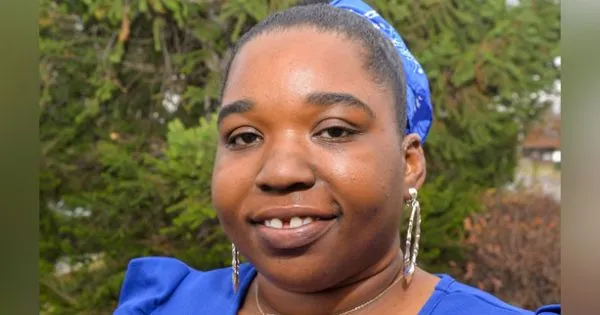
Meet the Black Woman Who Single-Handedly Stopped a $5 Billion Data Center Project in Her Neighborhood
AI bias rating
Rated Center-left on a five-point scale from left to right.
- Left
- Center-left
- Center
- Center-right
- Right
Why this rating
- The headline says McCollum 'single-handedly' stopped the project, but the body says she 'helped stop' it and credits thousands of residents, county moratoriums and other activists. The headline overstates her individual role.
- The story is a sympathetic personal profile centered on one activist. It gives detail on her housing and financial hardships, which builds reader sympathy.
- Race is foregrounded in the headline and the opening ('Black Woman', 'predominantly Black neighborhoods'). Her father's description of the campaign as a civil rights issue frames it in environmental-justice terms.
- The article includes an economic counterpoint: county financial pressures, possible lost tax revenue, and Council member Wanika Fisher's call for discussion. This section is brief and comes after most of the profile.
- It ends by noting that McCollum acknowledges her alternatives would bring in less money. This adds some balance on the economic trade-off.
- The developer of the Landover site is not quoted or given a chance to respond.
- The data center industry's view on emissions, water use and mitigation measures is absent.
- County planners who approved the project in 2024 are not asked to explain their decision.
- Residents who supported the project, or who wanted the jobs and tax revenue it could bring, are not heard from directly.
- No independent environmental or technical experts assess the pollution and water concerns raised.
Nationwide — Taylor Frazier McCollum, an African American woman from Landover, Maryland, has helped stop a proposed $5 billion data center project in Prince George’s County after raising concerns…
AI summary
Taylor Frazier McCollum, a Black woman from Landover, Maryland, helped stop a proposed $5 billion data center project in Prince George's County after raising concerns about pollution and water use. The campus was planned for nearly 90 acres at the former Landover Mall site and had received county planning approval in 2024. McCollum, who lived less than a mile away, launched an online petition that, according to NPR, drew more than 25,000 signatures, and she helped organize protests and public meetings. The opposition contributed to several county moratoriums that temporarily halted data center development, including the Landover project. She has also testified before Maryland lawmakers and supported like-minded candidates, while dealing with her own housing and financial difficulties. Some officials, citing the county's financial pressures and potential tax revenue, want a serious discussion about whether some projects should proceed; McCollum seeks a complete ban. She has taken her campaign to communities in Atlanta, Memphis and Zambia, and has proposed alternative uses for the site.
- McCollum's petition, which according to NPR drew more than 25,000 signatures, and the protests she helped organize contributed to county moratoriums that temporarily halted the Landover data center project.
- The proposed campus was planned for nearly 90 acres at the former Landover Mall site and had received county planning approval in 2024, with construction expected in 2026–2027.
- Her activism came while she faced financial and housing difficulties, including losing her apartment in 2024 after a pay cut.
- Some county officials, including Council member Wanika Fisher, call for a serious discussion about the county's economic future and potential tax revenue, while McCollum wants a full ban on such projects.
- She has taken her message to Atlanta, Memphis and Zambia, and has proposed alternatives for the site such as a sports complex, affordable housing or heritage tourism, acknowledging these would bring in less money.