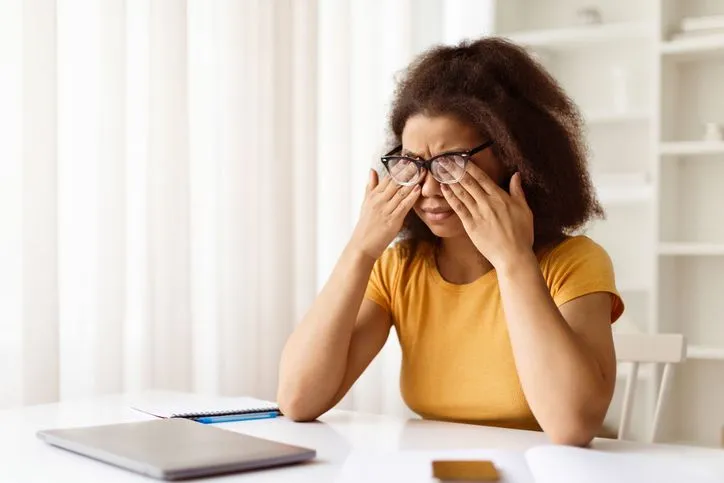
ADHD Testing Could Change Black Women’s Lives — So Why Are So Many Still Being Told They’re Too Emotional Or Too Much?
Growing awareness is prompting more ADHD testing for Black women in their 30s and 40s, shining a light on this long-overlooked issue. The post ADHD Testing Could Change Black Women’s Lives — So Why…
AI summary
The article says many Black women who feel forgetful, disorganized, overwhelmed or mentally exhausted are told they have anxiety, depression or stress instead of being assessed for ADHD. ADHD is a chronic neurodevelopmental condition affecting executive functions, and the CDC says nearly 15.5 million people have it. According to the article, early research focused mostly on young white boys, so diagnostic tools center on hyperactivity and impulsivity. Women, especially Black women, are more likely to have the harder-to-spot inattentive form. It cites a 2024 study, reported by Healthy Women, finding white people were 26% more likely to be diagnosed with ADHD. Other factors it names include cultural pressure to be strong (the "Superwoman Schema") that leads to masking, school discipline instead of evaluation, and overlap with anxiety and depression. It recommends culturally competent clinicians and lists resources including Zocdoc, Black Girl, Lost Keys, NAMI and Reddit's ADHD Women group.
- Experts cited say many Black women with ADHD are misdiagnosed with anxiety, depression or stress, leading to years or decades without the right diagnosis.
- Early ADHD research focused largely on young white boys, so diagnostic tools emphasize hyperactivity, while women more often have the less visible inattentive form.
- A 2024 study cited via Healthy Women found white people were 26% more likely to be diagnosed with ADHD, and Black people 61% less likely to receive a conduct disorder diagnosis.
- Cultural expectations such as the "Superwoman Schema," school experiences and symptom overlap with anxiety and depression can lead to masking and delayed diagnosis.
- The article advises seeking culturally competent clinicians and points to resources such as Zocdoc, Black Girl, Lost Keys, NAMI and the ADHD Women group on Reddit.