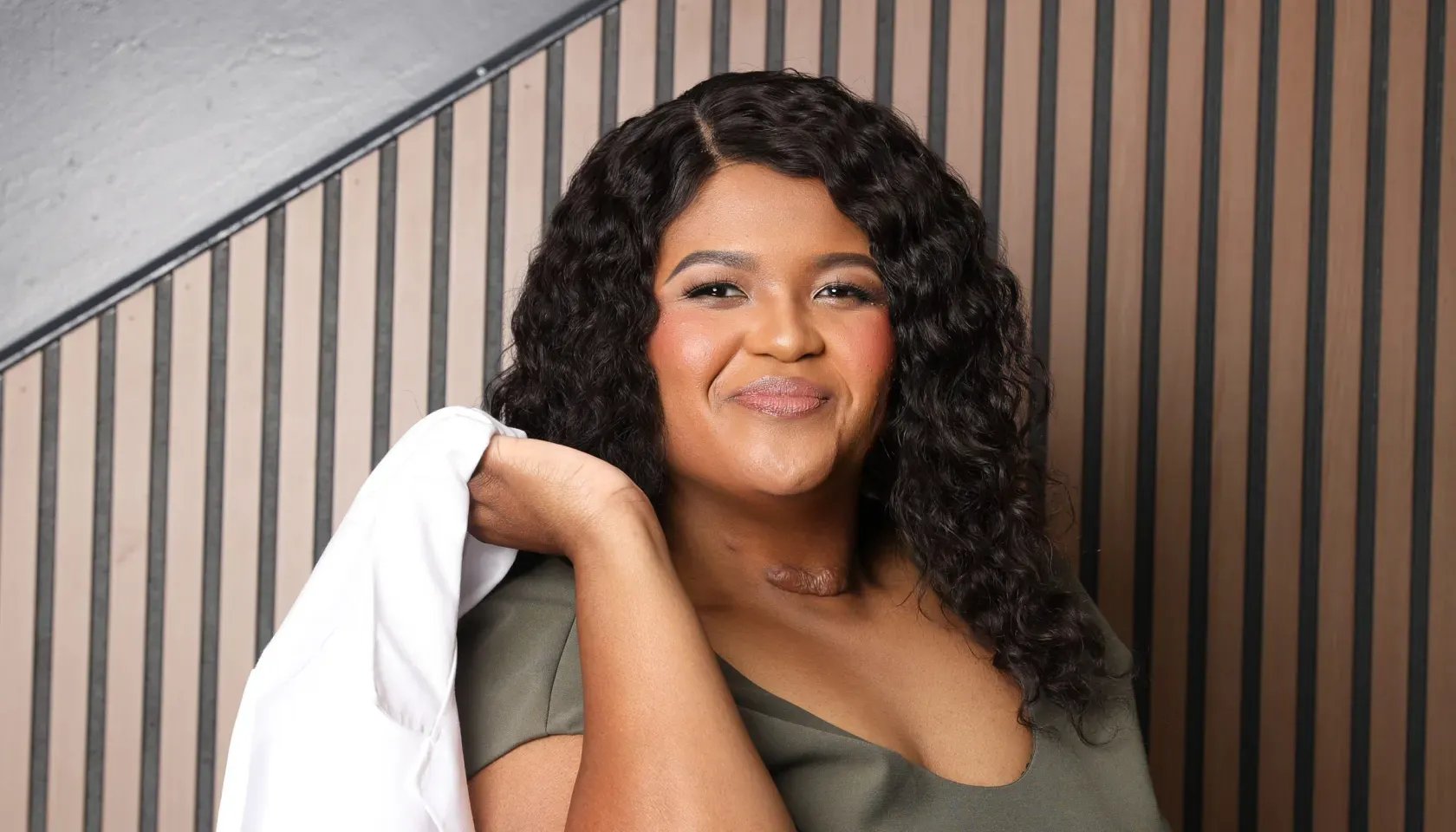
‘It’s Not Always Just Stress’ — Dr. Tiffany Parks Shares The Perimenopause Symptoms Black Women Shouldn’t Ignore [Exclusive]
From overlooked symptoms to hormone therapy and midlife weight changes, Dr. Tiffany Parks explains how Black women can seek care that takes the full picture seriously. The post ‘It’s Not Always Just…
AI summary
In an interview with MadameNoire, physician Dr. Tiffany Parks, founder of Parks Wellness, discusses perimenopause symptoms Black women may overlook. She says that when Black women's fatigue, pain or weight changes are dismissed as stress or willpower, they may stop raising concerns, which can delay care and cause either perimenopause or other conditions such as anemia, thyroid disease or fibroids to be missed. Symptoms women often push through include poor sleep, night sweats, anxiety, irritability, trouble concentrating and period changes, but she cautions against self-diagnosis. Fibroids, which occur more often in Black women, can cause heavy bleeding and anemia, and a hysterectomy or removal of the ovaries changes how the transition is tracked or experienced. Perimenopause usually begins in the 40s, but age alone should not end the conversation. She describes who may benefit from hormone therapy, explains midlife weight changes as not a character flaw, and urges women to seek care before symptoms become unbearable.
- Dismissing Black women's symptoms as stress can delay care and cause perimenopause or conditions like anemia, thyroid disease or fibroids to be missed.
- Poor sleep, night sweats, mood changes, poor concentration and period changes can signal perimenopause even with regular periods, but other causes should be evaluated.
- Fibroids and surgeries complicate the picture: heavy bleeding can cause anemia, a hysterectomy removes periods as a marker, and removing both ovaries can trigger abrupt symptoms.
- Systemic hormone therapy can effectively treat hot flashes and night sweats; for many healthy women starting before 60 or within 10 years of menopause, benefits typically outweigh risks, but decisions should be individualized.
- Midlife weight gain is linked to aging, muscle loss, hormonal changes, sleep and other factors; Parks recommends strength training, adequate protein, sleep and treating underlying conditions without shame.