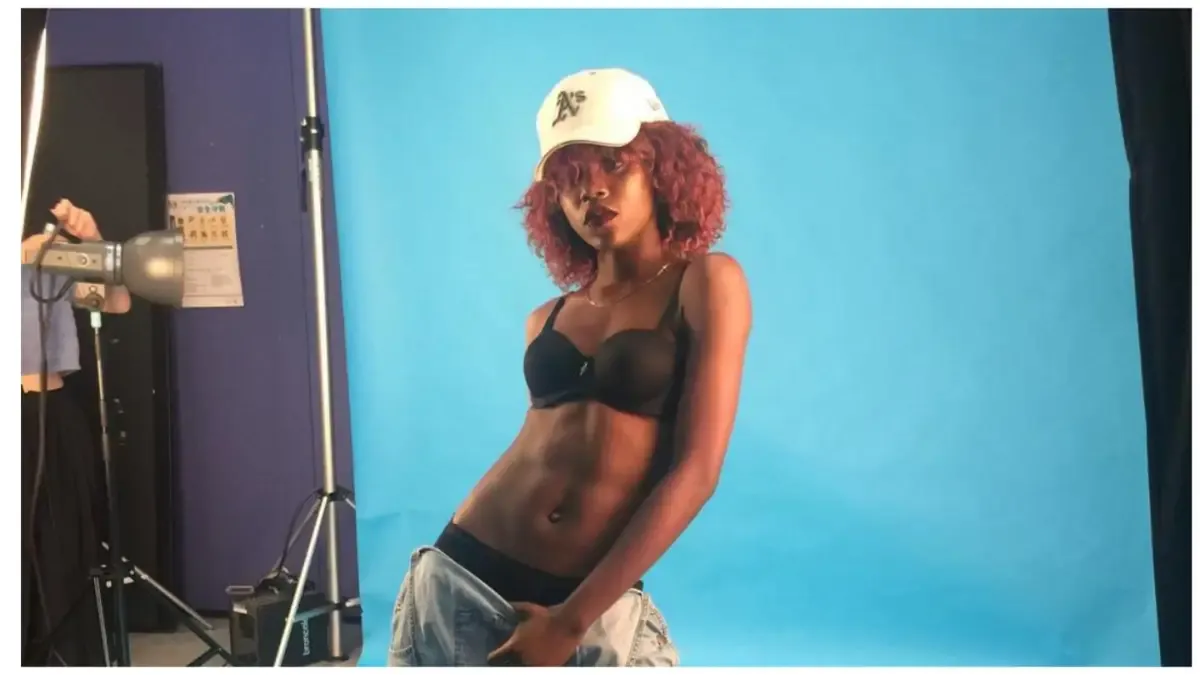
‘I Was Using Skin-Lightening Products’: One Fashion Model’s Journey from Succumbing to Anti-Black Beauty Standards to Creating Space with Her Own Modeling Agency In Hong Kong
One day in 2015, Harmony Ilunga, then a 16-year-old high school student and aspiring model, walked out of a modeling agency and broke down in […] ‘I Was Using Skin-Lightening Products’: One Fashion…
AI summary
Harmony Ilunga, who arrived in Hong Kong as a refugee from the Democratic Republic of Congo in 2011, was repeatedly rejected by modeling agencies as a teenager because of her skin color, with some saying they did not hire Black models. She used skin-lightening products to meet those beauty standards and modeled for free for nearly three years before slowly getting paid work. Agencies still would not sign her, so she freelanced until 2020. In 2018 she began organizing fashion shows featuring refugees and ethnic minorities, and in 2020 she launched HarmonyHK, an agency that now represents 45 diverse models and has worked with brands such as Fenty Beauty, Lululemon and Esprit. Ilunga says demand for Black models surged after George Floyd's murder in 2020, but that the momentum has since cooled and brands targeting Asian markets remain less inclusive. Photographer John-Paul Pietrus describes Black representation in Hong Kong fashion media as next to none and the Chinese industry as China-centric. Now based in Toronto, Ilunga is working on a tech startup and plans to expand HarmonyHK beyond Hong Kong, saying reservations remain but the situation has improved.
- As a teenager in Hong Kong, Ilunga was turned away by modeling agencies because she is Black and used skin-lightening products to try to meet local beauty standards.
- She modeled unpaid for almost three years, worked freelance until 2020, and in 2018 began organizing fashion shows showcasing refugees and ethnic minorities.
- In 2020 she founded HarmonyHK, which represents 45 diverse models, has worked with brands like Fenty Beauty, Lululemon and Esprit, and offers diversity and inclusion consultation.
- Ilunga says demand for Black models peaked after George Floyd's murder in 2020 but has since cooled, and that brands targeting Asian markets remain less inclusive than those targeting the West.
- Now based in Toronto, she is building a tech startup and plans to expand HarmonyHK, saying reservations persist but conditions have improved.