With Hantavirus Patients Quarantined In the U.S. and a Fast-Spreading Ebola Outbreak In Africa, What Should Americans Know? We Talked to an Infectious Disease Expert.
A fatal outbreak of a rare strain of hantavirus that started on a cruise ship traveling around South America in April, followed by an even […] With Hantavirus Patients Quarantined In the U.S. and a…
AI summary
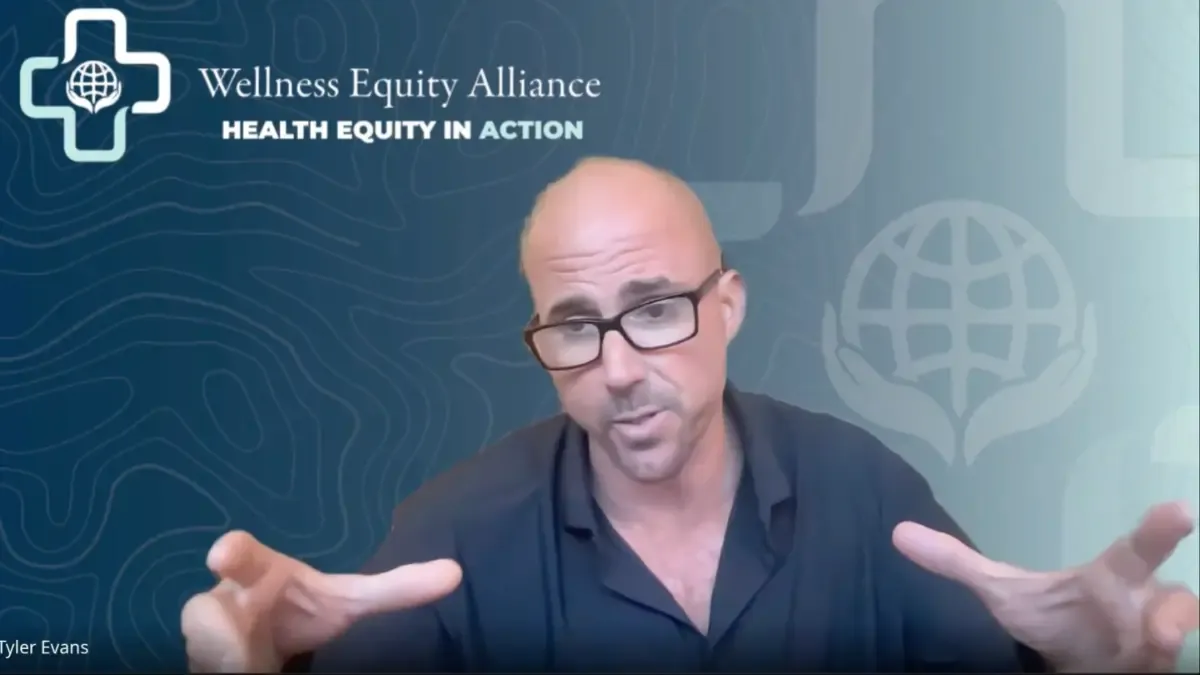
Atlanta Black Star interviewed infectious disease physician Tyler Evans, former Chief Medical Officer for New York City's COVID-19 response, about a hantavirus outbreak linked to the MV Hondius cruise ship and an Ebola outbreak in the Democratic Republic of Congo. Evans said hantavirus is serious but very rare and usually spread by rodent droppings. The Andes strain involved here is the only one known to spread between people. At least 11 cases are confirmed or probable, and contact tracing continues. He described cruise ships as high-risk settings for disease spread, especially for older passengers. He is more concerned about Ebola, which has reached Kampala and Kinshasa, with 139 deaths per the WHO. He said cuts to USAID and the CDC and the U.S. withdrawal from the WHO have weakened outbreak response. He does not yet recommend masks or distancing. For information, he suggested primary care doctors, professional medical associations, some state health departments, federally qualified health centers, and the ER for serious symptoms.
- Evans said hantavirus can cause severe lung or kidney disease with fatality rates above 20%, but it is very rare. The Andes strain in the cruise ship outbreak is the only one known to spread from person to person.
- He called cruise ships high-risk settings for infectious disease and advised travelers with chronic conditions to consult their doctors before boarding.
- Evans said the Ebola outbreak in the DRC and Uganda concerns him more, noting it has reached large cities. He said the CDC has not said whether Americans are affected.
- He said the dismantling of USAID, cuts to CDC outbreak response, and the U.S. exit from the WHO have weakened the ability to track and test for outbreaks.
- He does not recommend masks or distancing yet. He suggested people rely on primary care doctors, medical associations, some state health departments, and federally qualified health centers for information and care.