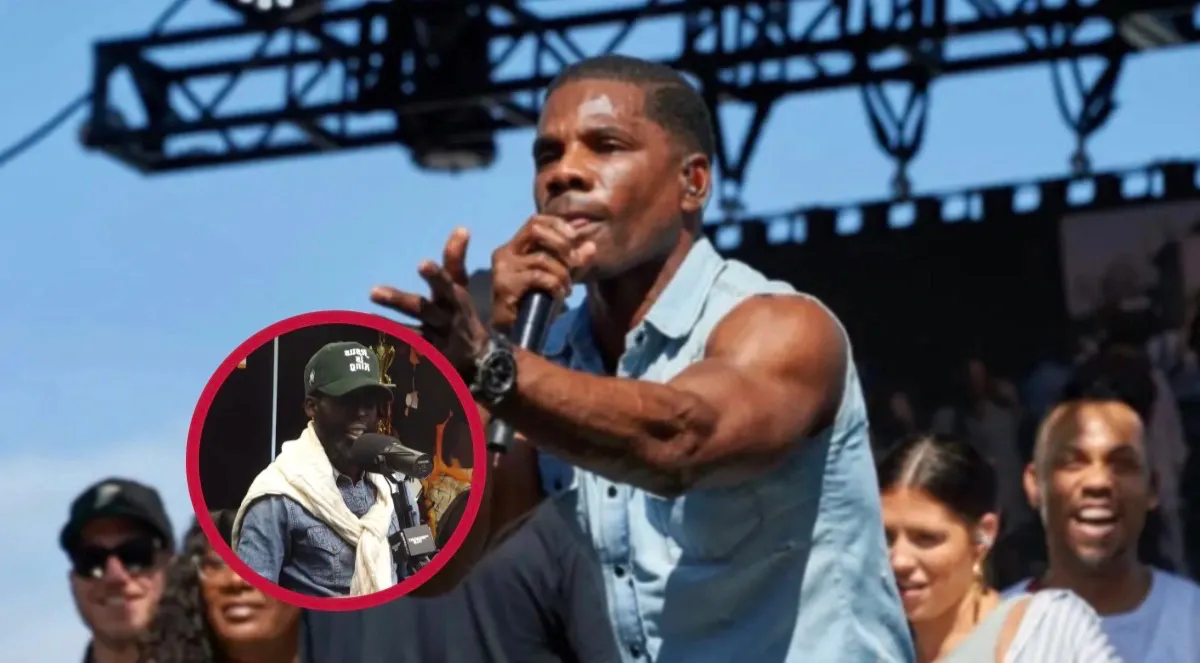
Tye Tribbett Draws the Line on Gospel Artists Working with Rappers After Kirk Franklin Teams Up with GloRilla
Kirk Franklin is no stranger to controversy in the gospel world. And he seems to have no regrets about tapping the hottest artists climbing the […] Tye Tribbett Draws the Line on Gospel Artists…
AI summary
Gospel artist Tye Tribbett, appearing on "The Breakfast Club" on Nov. 11 to promote "Victory B20," said Kirk Franklin "did not have to go the GloRilla route" for a gospel collaboration, while adding that he loves GloRilla and that Franklin has always been Franklin. Tribbett argued that gospel artists should keep boundaries between sacred and secular music, saying Christ never did the things the world did to win the world. Reactions on Threads were divided: some agreed, while others pointed to a double standard, citing his appearance on Snoop Dogg's 2018 gospel album "Bible of Love." The article notes he was invited onto a rapper's gospel project rather than bringing a rapper onto his own. It also notes that a week earlier he said he would be open to recording with Lil Baby if the message was legit. Franklin has faced similar criticism since his 1997 hit "Stomp" with Salt, and Salt, John P. Kee and Da Brat have defended him. The article describes the dispute as part of a broader debate in gospel music about how far artists should go to reach people outside the church.
- On "The Breakfast Club," Tye Tribbett said Kirk Franklin could have chosen another artist instead of GloRilla for his gospel collaboration.
- Tribbett said gospel artists should maintain boundaries between sacred and secular music, saying Christ never did the things the world did to win the world.
- Critics on Threads cited his appearance on Snoop Dogg's gospel album "Bible of Love"; the article notes he joined a rapper's gospel project rather than bringing a rapper onto his own recording.
- Days before his comments, Tribbett told HipHopWired he would be open to recording with rapper Lil Baby as long as the message was legit.
- Franklin has faced similar criticism since 1997's "Stomp" with Salt; Salt, John P. Kee and Da Brat defend him, saying his collaborations bring gospel to new audiences.