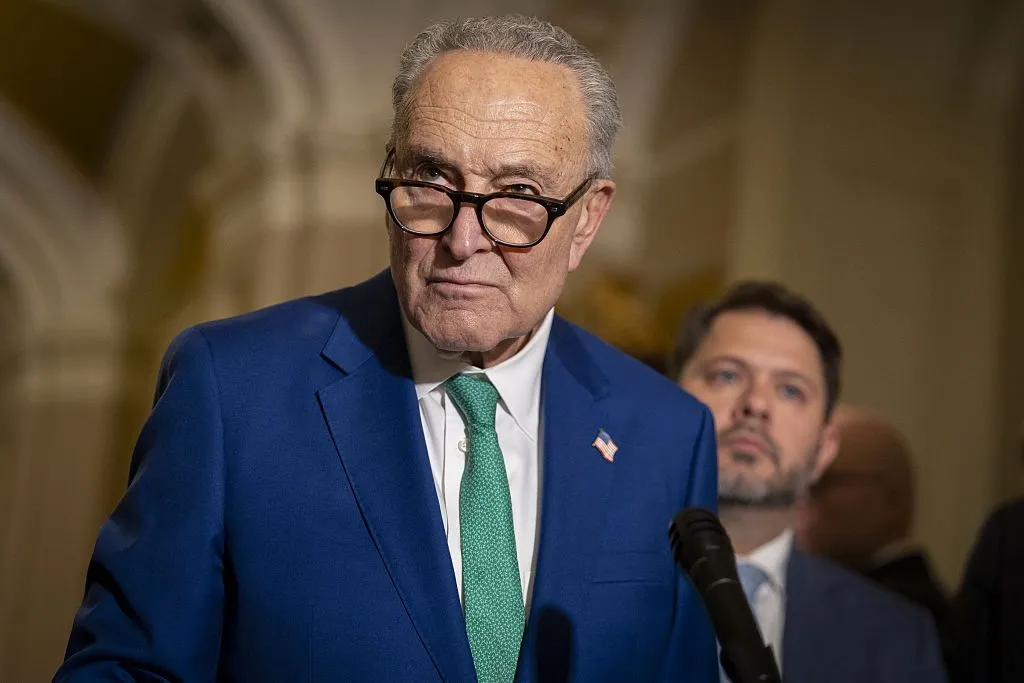
The US Didn’t Have A Blue Tsunami Just To Keep Chuck Schumer
Democrats in the United States didn't sweep the midterms to maintain the status quo; they voted to effect social change.
AI summary
In this opinion piece, the author argues that the Democrats' November "blue tsunami", in which, according to the article, they won the Senate and reclaimed the House, reflected voter anger at Donald Trump and a demand for systemic change, not approval of the Democratic establishment. The author calls for Chris Van Hollen, who announced a challenge to Chuck Schumer for Senate majority leader, to replace Schumer, who has led Senate Democrats since 2017. Van Hollen argues that voters chose change and says Schumer's allies reportedly want to move up the December 1 leadership vote, which he calls a sign of weakness. The author criticizes Maryland Senator Angela Alsobrooks for backing Schumer, noting that his political operation spent millions on her 2024 race. The article lists supporters of each side and says voters want lower costs, better healthcare, accountability for the Trump administration, an end to the Iran war, and challenges to lobbying interests such as AIPAC. The author concludes that keeping the same leadership would mean the party has learned nothing.
- The author argues the Democrats' electoral win was driven by anger at Trump and a desire for change, not loyalty to party leadership.
- Chris Van Hollen is challenging Chuck Schumer for majority leader and says Schumer's allies reportedly want to move up the December 1 vote, which he calls a sign of weakness.
- Bernie Sanders, Peggy Flanagan and Abdul El-Sayed back Van Hollen; Elissa Slotkin wants a concrete plan for change before giving support.
- Kirsten Gillibrand, Mark Kelly and Angus King defend Schumer, arguing he helped deliver the majority; Angela Alsobrooks, whose 2024 race Schumer's operation helped fund, also supports him.
- The author says voters want lower costs, functioning healthcare, Trump administration accountability, an end to the Iran war and less influence from lobbies such as AIPAC.