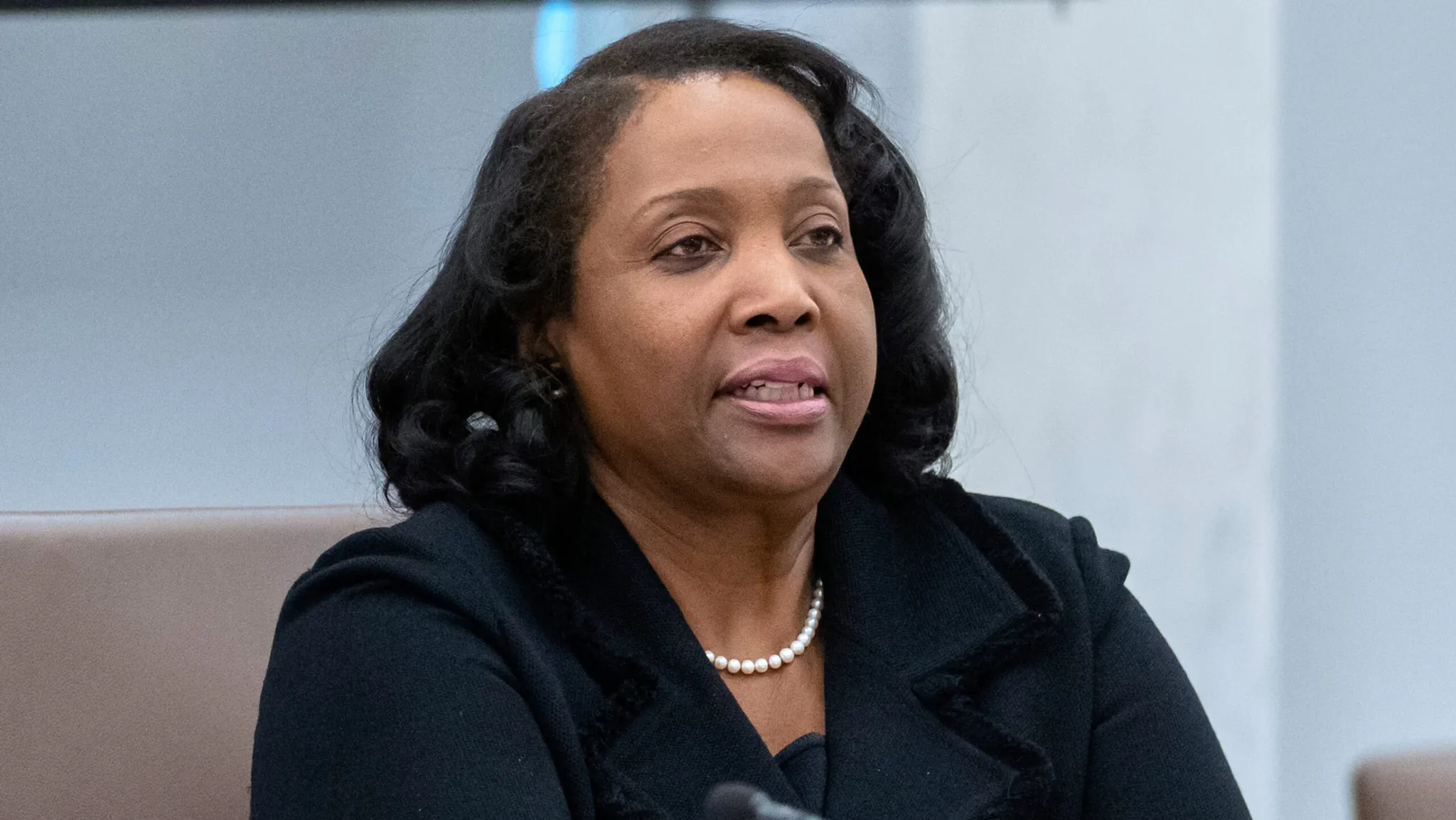
Lisa Cook refuses to participate in Trump administration’s latest effort to remove her from Fed
The Fed Reserve governor's attorney alleges political bias and an unfair process in the White House's allegations of mortgage fraud.
AI summary
Federal Reserve Governor Lisa Cook is refusing to take part in the Trump administration's latest effort to build a case for her removal, according to the Washington Post. In a November 16 letter to White House counsel Will Scharf, her attorney Abbe Lowell said she would not attend the December 14 hearing unless concerns about the overseeing committee and its procedures were addressed. He called the process "a facade" hiding a predetermined decision to fire her. He objected to the inclusion of Kevin Hassett, saying his earlier comments showed prejudgment, a view the White House rejects. The committee is to recommend whether there is cause for removal, with Trump making the final decision. The allegations concern two properties Cook allegedly listed as primary residences on mortgage documents before joining the Fed in 2022. Cook denies intentional misconduct. After a June Supreme Court ruling requiring notice and a chance to respond, the White House set up the inquiry, which has repeatedly stalled. Lowell also called the demand for her financial records unfair without comparable access to the administration's evidence.
- Lisa Cook's attorney Abbe Lowell said in a November 16 letter that she will not take part in the December 14 hearing unless concerns about the committee and its procedures are addressed.
- Lowell called the proceedings a facade for a predetermined decision and challenged Kevin Hassett's place on the panel; White House counsel Will Scharf denied prejudgment and said Cook cannot dictate the panel's members.
- The inquiry concerns allegations that Cook misrepresented two properties as primary residences on mortgage documents before joining the Fed in 2022; Cook calls the Atlanta condominium reference an inadvertent oversight.
- The Supreme Court ruled in June that Trump could not remove Cook without notice and an opportunity to respond; the White House then set up the inquiry, which has repeatedly stalled.
- Lowell argued that requiring Cook to submit financial records without comparable access to the administration's evidence is unfair; the White House has warned it could draw adverse inferences if she refuses to participate.