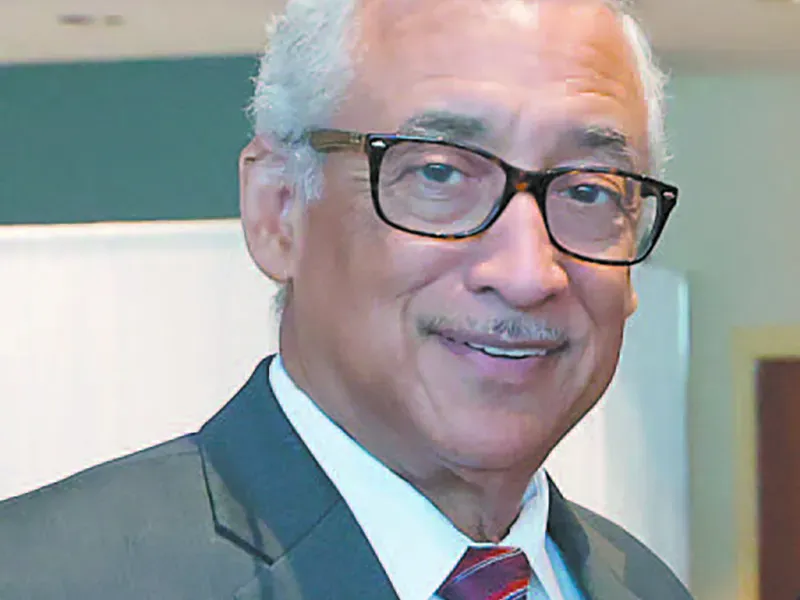
A Civics Lesson From Congressman Bobby Scott: Part 2
Congressman Bobby Scott reflects on the Voting Rights Act, the fight for ballot access and why voting remains essential to protecting political representation. #BobbyScott #VotingRights…
AI summary
In the second part of a feature for the New Journal and Guide, U.S. Rep. Bobby Scott of Virginia's 3rd District discusses voting rights history. Citing Martin Luther King Jr.'s call to "give us the ballot," Scott says the 1965 Voting Rights Act let Black communities register and elect representatives. In Virginia, he notes, there were no Black judges or state legislators in 1965; today the Legislative Black Caucus has over 30 members and there are about 100 Black judges. Scott says the act was weakened by Shelby v. Holder (2013), which ended preclearance for covered states, and by Louisiana v. Callais (2026). In Callais, he says, a redistricting plan found discriminatory against Black voters was allowed to stand because it was presented as a partisan gerrymander and intent to discriminate by race could not be proven. He argues voters can no longer rely on the Supreme Court and must use their vote or lose it. The article reports that in the November 3, 2026 midterms several Black governors were elected, Democrats won both chambers of Congress, and Scott won his 18th term, pledging to work on costs, jobs, the war in Iran and tariffs.
- Scott credits the 1965 Voting Rights Act with enabling Black voters to elect representatives, citing growth in Virginia to over 30 Legislative Black Caucus members and about 100 Black judges.
- He says Shelby v. Holder (2013) eliminated preclearance, which had required states with a history of discrimination to prove voting changes were not discriminatory.
- He argues Louisiana v. Callais (2026) let a plan found racially discriminatory stand because it was framed as partisan, and says voters must exercise their right to vote rather than rely on the Supreme Court.
- The article reports historic results in the November 3, 2026 midterms, including Black governors elected in Georgia, Florida, Wisconsin and Nevada, Wes Moore's re-election in Maryland, and Democrats winning both houses of Congress.
- Scott, in Congress since 1993, won his 18th term and said he would work on lowering costs, creating jobs, leaving the war in Iran and ending tariffs.