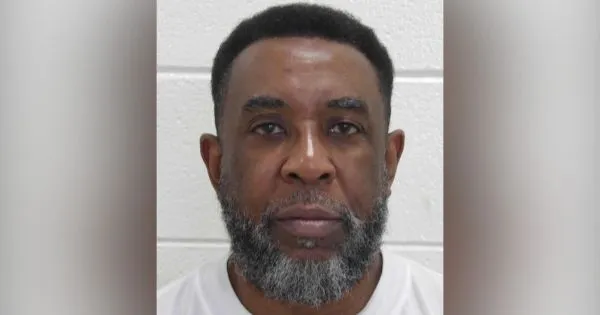
Black Man from Mississippi Gets New Trial After Being Sentenced to Life in Prison
Nationwide — William “Polo” Edwards, an African American man and social media personality from Jackson, Mississippi, will receive a new trial after the state’s Court of Appeals overturned his…
AI summary
The Mississippi Court of Appeals overturned the convictions of William “Polo” Edwards, a social media personality from Jackson, and ordered a new trial, finding violations of his constitutional right to counsel. Edwards had received a life sentence for the 2022 killing of Robert Davis, plus 10 years for possessing a firearm as a convicted felon. His first trial ended with a deadlocked jury. His court-appointed attorneys withdrew, and Brandon Dorsey took over. Edwards said Dorsey did not contact him for weeks and did not give him access to key evidence. Communication worsened after Edwards was transferred to Tallahatchie. Judge Faye Peterson denied a postponement. Eight days before the second trial, she let Dorsey withdraw and said Edwards would have to represent himself if he found no lawyer. Edwards said he never agreed to this. A hybrid attorney handled jury selection and objections. The appeals court ruled the judge should have checked whether Edwards understood the consequences of proceeding without a lawyer, and that Dorsey should not have withdrawn before a replacement was secured, since Edwards had not waived his right to counsel.
- The Mississippi Court of Appeals reversed Edwards’ convictions (life for the killing of Robert Davis, plus 10 years on a firearm charge) and ordered a new trial.
- After his first trial ended in a deadlock, Edwards said his new attorney, Brandon Dorsey, failed to contact him for weeks and withheld access to key evidence; court records showed only three meetings by fall 2024.
- Judge Faye Peterson denied a postponement and let Dorsey withdraw eight days before the second trial; Edwards said he never agreed to represent himself.
- The court found Edwards had not waived his right to counsel and that the problems violated his Sixth Amendment rights; Judge David McCarty wrote the majority opinion, and one separate opinion partly disagreed.