Why We Need More Diverse Black History Stories
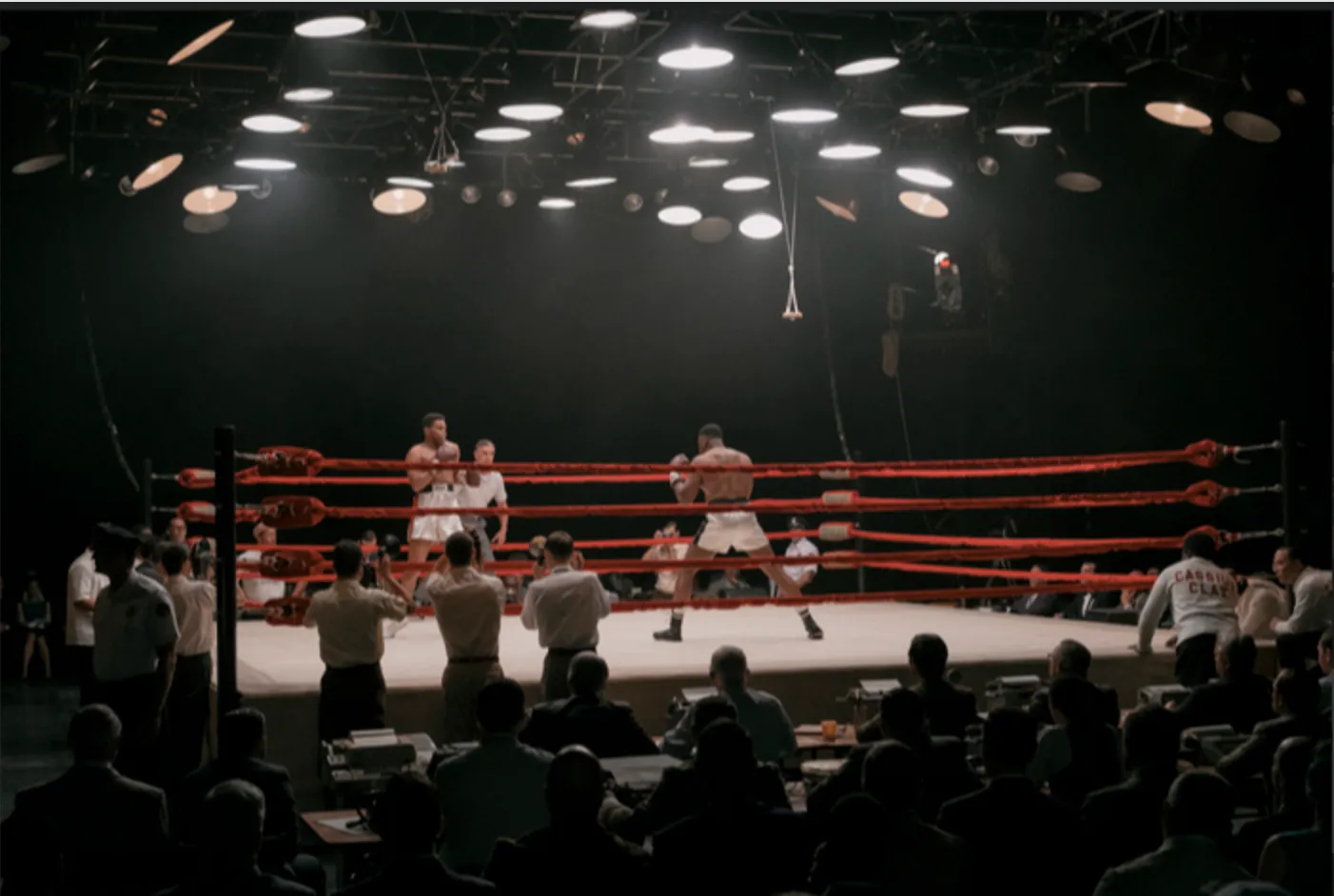
Prime Video’s The Greatest has us wondering why shows and movies about historical Black figures only focus on the same handful of people?
AI summary
In an opinion piece for NewsOne, the writer argues that film and TV about Black history keep focusing on the same few figures: Muhammad Ali, Martin Luther King Jr., Malcolm X, Jackie Robinson and Rosa Parks. The idea came from an editorial meeting where colleague Stephen A. Crockett said he refused to watch Amazon Prime's Ali series The Greatest. The author says he is not downplaying these figures' importance but wants the lens widened. He notes a brief wave of varied stories in the late 2010s and early 2020s, such as Judas and the Black Messiah and Hidden Figures, and says other projects tend to be slave narratives or stories of Black trauma. He suggests stories like Robert Smalls's or a drama about the Harlem Renaissance. He blames corporate ownership, streaming-era spending and mostly white studio decision-makers, and contrasts this with the many films about lesser-known white figures. He believes there is a larger audience for diverse Black history stories than Hollywood thinks.
- The author argues that Black history on screen is limited to a few well-known figures such as Muhammad Ali, Martin Luther King Jr., Malcolm X, Jackie Robinson and Rosa Parks.
- He says that otherwise Hollywood mostly offers slave narratives or stories of Black trauma, and that a late-2010s wave of more varied stories was short-lived.
- He proposes untold stories such as that of Robert Smalls, an enslaved man who became a congressman, and a prestige drama about Harlem Renaissance figures.
- He attributes the narrow focus to corporate ownership, streaming-era financial pressure and mostly white studio executives, and contrasts it with films about lesser-known white figures such as The King's Speech.
- He says diversity sells and that the audience for these stories may be larger than studios expect.