Major Banks Warn Customers Could Be Liable For AI Mistakes
AI bias rating
Rated Center on a five-point scale from left to right.
- Left
- Center-left
- Center
- Center-right
- Right
Why this rating
- The headline and lead frame the story around consumer risk, with banks shifting liability onto customers.
- The article mostly relays bank warnings and policy changes, sourced to Business Insider and TechCrunch.
- Near the end it adds context that federal consumer protection laws may still apply, which tempers the liability framing.
- The closing sentence gives customers practical advice about understanding the risks, rather than criticizing banks or AI firms.
- The opening caption sentence is repeated in the body, which gives Citi's warning extra emphasis.
- No consumer advocacy groups or regulators are quoted on whether these liability terms are fair or enforceable.
- AI companies offering these agents do not respond to the banks' warnings.
- No legal experts explain how federal electronic transfer protections apply to transactions initiated by AI agents.
- Customers who have used AI agents for banking are not heard from.
- Banks' own reasoning is summarized only briefly, apart from the Dimon reference.
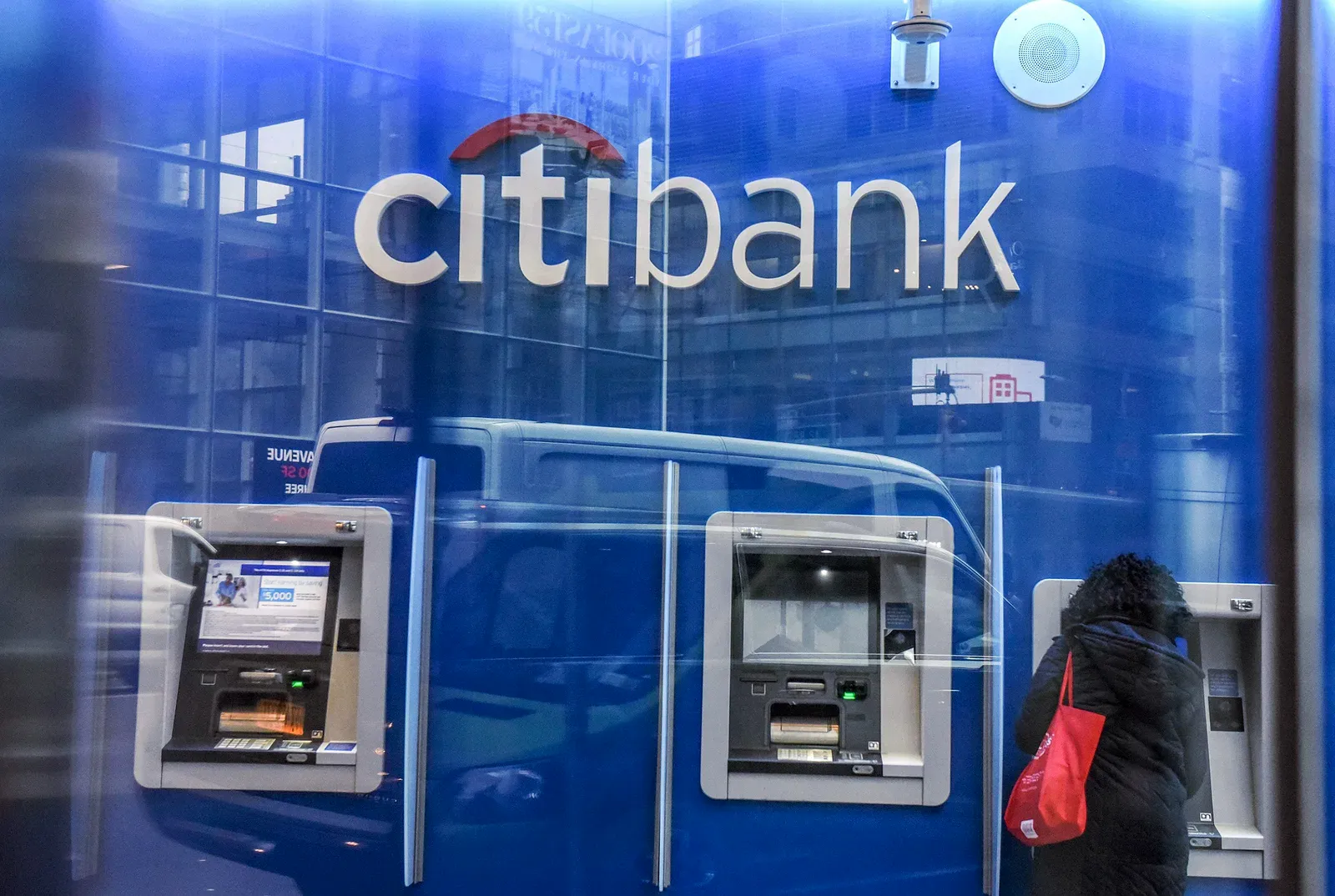
Citi issued a similar warning through its website and mobile app, notifying customers that they could be held liable for errors made by AI assistants.
AI summary
Major U.S. banks, including JPMorgan Chase, Citi and Ally Bank, are warning customers that they could be held financially responsible for mistakes made by AI agents that access their accounts, Business Insider reports. In a November email, Ally said AI services could misunderstand instructions, generate inaccurate information or take unintended actions, potentially causing significant losses. Citi issued a similar warning through its website and app and, according to TechCrunch, updated its user agreement to make customers responsible for activity by third-party AI agents they authorize. Chase cautioned that authorized transactions might not be reversible. Banks have also warned against sharing credentials with third-party AI platforms, and Chase CEO Jamie Dimon said in October that outside AI agents could pose risks. Target now classifies AI-agent purchases as customer-authorized, while Amazon has restricted some automated shopping tools over safety concerns. The article notes that banks' warnings do not automatically override federal consumer protection laws, which may protect against certain unauthorized electronic transactions.
- JPMorgan Chase, Citi and Ally Bank are cautioning customers that they may be liable for losses caused by AI agents acting on their accounts.
- Citi updated its online user agreement to state that customers who authorize third-party AI agents are responsible for activity conducted through them, according to TechCrunch.
- Banks have warned customers not to share usernames, passwords and security codes with third-party AI platforms, citing cybersecurity risks; Jamie Dimon raised similar concerns in October.
- Target classifies purchases made through AI agents as customer-authorized, and Amazon has restricted certain automated shopping tools over safety concerns.
- The article notes that the banks' warnings do not automatically override federal consumer protection laws covering certain unauthorized electronic transactions.