The Unsung Architects of Black Cultural Excellence: The Seay-Dixon-Myers Bridge Between Chicago and Harlem
By Elaine Hegwood Bowen, M.S.J. and Lawrence H. Levens, Custodian and Guardian Barnes/Dixon/Myers Historical Harlem Papers, Archives and Musical Manuscripts Collection Long before the Great…
AI summary
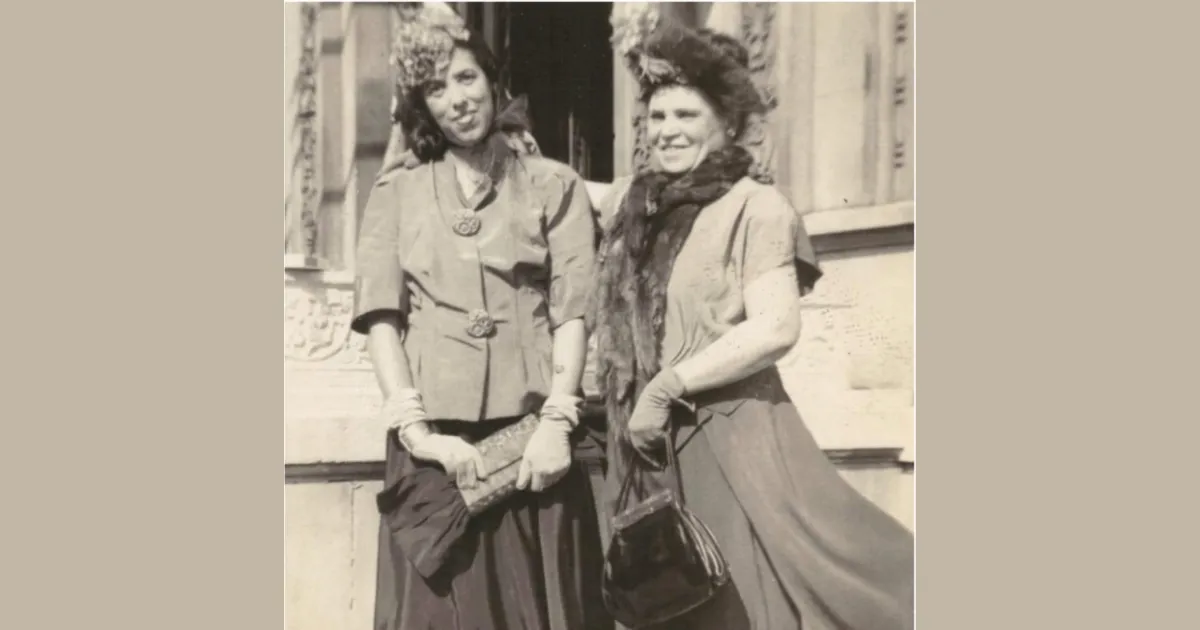
The article profiles the Seay-Dixon-Myers family, whose contributions to early 20th-century American music, Black musical theater, business and arts education linked Macon, Chicago and Harlem, and whose legacy has largely faded from mainstream history books. Historian Lawrence H. Levens, guardian of the Barnes/Dixon/Myers Historical Harlem Papers, Archives and Musical Manuscripts Collection, is working to restore this history. Will H. Dixon (1879–1917), a Chicago composer, pianist, publisher and bandleader, joined New York's Clef Club Orchestra under James Reese Europe and was called "The Original Dancing Conductor" by James Weldon Johnson; his catalog was later marginalized by musicologists. His wife, Madam Maude Seay (1884–1957), later Mrs. Maude Dixon Myers, was a Bronzeville businesswoman who became a prominent Harlem society matron, a founding member of the Chicago Club of New York and a preserver of her husband's legacy. Their daughter, Francesca "Frankye" A. Dixon Thompson (1915–1996), was a classical concert pianist, accompanist and educator trained at the Damrosch Institute and Columbia Teachers College, who mentored generations of musicians in Harlem.
- Historian Lawrence H. Levens is using the Barnes/Dixon/Myers archive to restore the under-recognized legacy of the Seay-Dixon-Myers family, once covered widely by the Black press.
- Will H. Dixon (1879–1917), composer, pianist, publisher and bandleader, played a central role in the Clef Club Orchestra and was dubbed "The Original Dancing Conductor."
- Madam Maude Seay, later Mrs. Maude Dixon Myers, was a Bronzeville entrepreneur who became a Harlem society matron and co-founded the Chicago Club of New York.
- Their daughter Frankye A. Dixon Thompson (1915–1996) became a leading classically trained concert pianist and music educator in Harlem.
- The article presents the three as an unbroken chain of Black artistic and entrepreneurial achievement linking Chicago and Harlem.