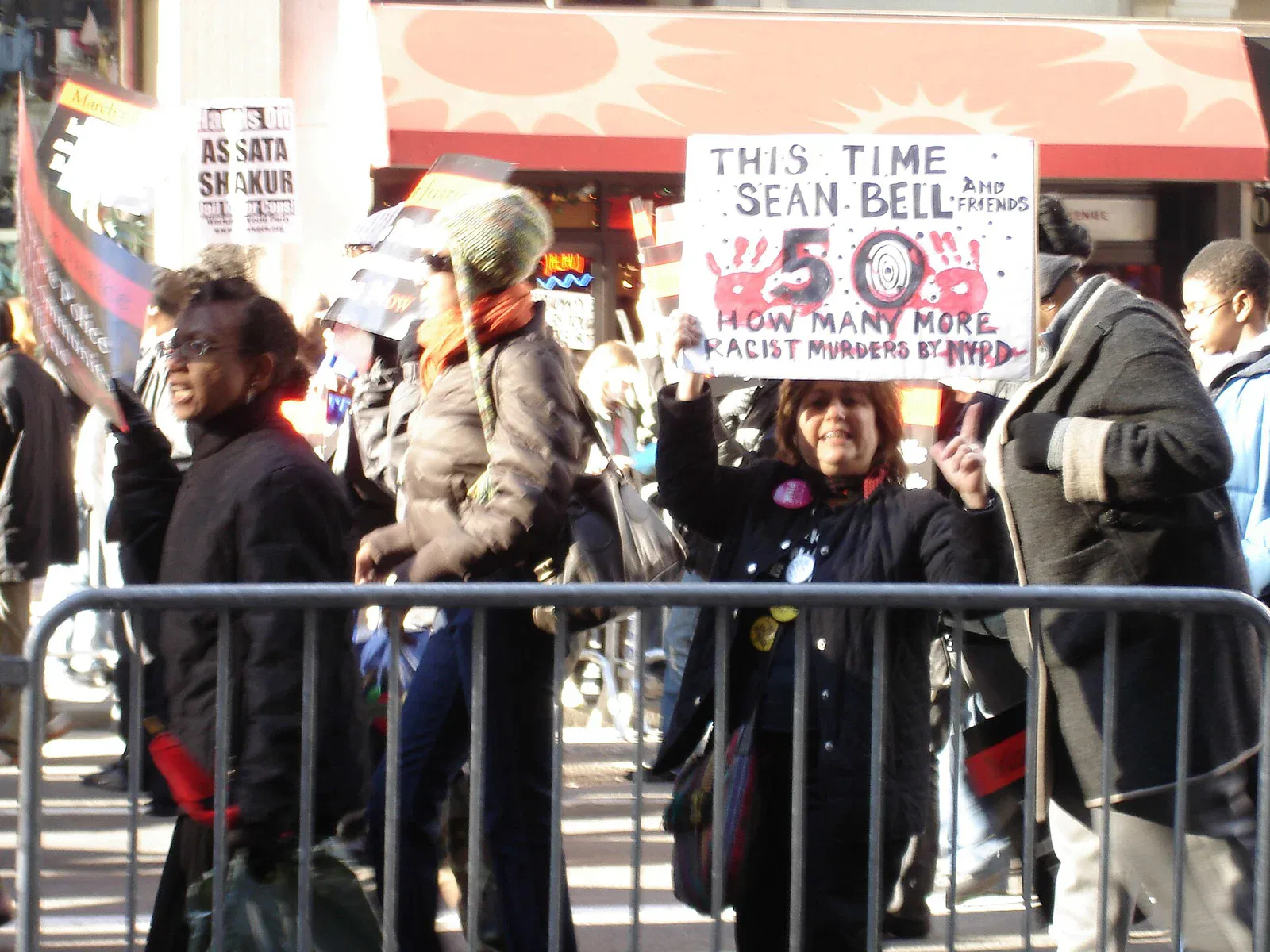
20 Years After Sean Bell Shooting, Jamaica, Queens Honors His Life
Twenty years after undercover officers fatally shot 23-year-old Sean Bell on what was supposed to be his wedding day, Queens Borough President Donovan Richards Jr. is honoring Bell’s life and…
AI summary
Twenty years after undercover officers fatally shot 23-year-old Sean Bell on what was supposed to be his wedding day, Queens Borough President Donovan Richards Jr. honored Bell's life and recommitted to justice reform. Bell was killed early on Nov. 25, 2006, after five plainclothes NYPD officers fired 50 rounds into his vehicle outside a Jamaica, Queens nightclub following his bachelor party, wounding companions Joseph Guzman and Trent Benefield; no weapon was recovered. Richards, who lived in the same neighborhood, recalled being among the first visitors to the grieving family's home. He said the tragedy forced the city to confront its policing practices and credited the Bell family and advocates with pushing policy changes. The shooting sparked protests and charges against three officers, who were acquitted in a 2008 bench trial. The city later reached a $7.15 million settlement, and in 2012 the NYPD terminated or forced the resignations of four officers and a supervisor. Richards called for honoring Bell by sparing other families such pain.
- Sean Bell, 23, was killed on Nov. 25, 2006, when five plainclothes NYPD officers fired 50 rounds into his car after his bachelor party; two companions were wounded and no weapon was found.
- Queens Borough President Donovan Richards Jr. marked the 20th anniversary, recalling visiting the grieving family as a neighbor in his early twenties.
- Richards said the shooting forced New York City to confront its policing and credited the Bell family's advocacy with driving policy changes and debate over public safety spending.
- Three detectives were acquitted in a 2008 bench trial; the city later paid a $7.15 million settlement, and in 2012 the NYPD terminated or forced out four officers and a supervisor.
- Richards framed remembrance as a responsibility to protect families from both police violence and gun violence.