Black leaders warn homeownership gap is growing wider
AI bias rating
Rated Center-left on a five-point scale from left to right.
- Left
- Center-left
- Center
- Center-right
- Right
Why this rating
- The story is built entirely around speakers at an advocacy summit, and nearly all sources share the same view that structural discrimination drives the gap.
- The lede, written in the article's own voice, adopts the advocates' framing of 'growing barriers' and 'weakening federal protections.'
- Statistics come from NAREB's own report and are presented alongside Census data, without independent analysis or context.
- Historical redlining is presented as the direct cause of current disparities, mainly through quotes from Crump and Sharpton.
- The administration's moves on HUD counseling funds and disparate impact enforcement are described only through critics' statements.
- The only Congress members quoted are Democrats, although a bipartisan bill is mentioned.
- No comment from the administration or HUD on the frozen housing counseling funds or the disparate impact enforcement changes.
- No views from lenders or the mortgage industry on denial rates or underwriting criteria.
- No Republican lawmakers or conservative housing policy analysts.
- No independent economists to place the NAREB data in context or to address other explanatory factors.
- No discussion of broader housing affordability trends that affect all races, beyond a brief comparison.
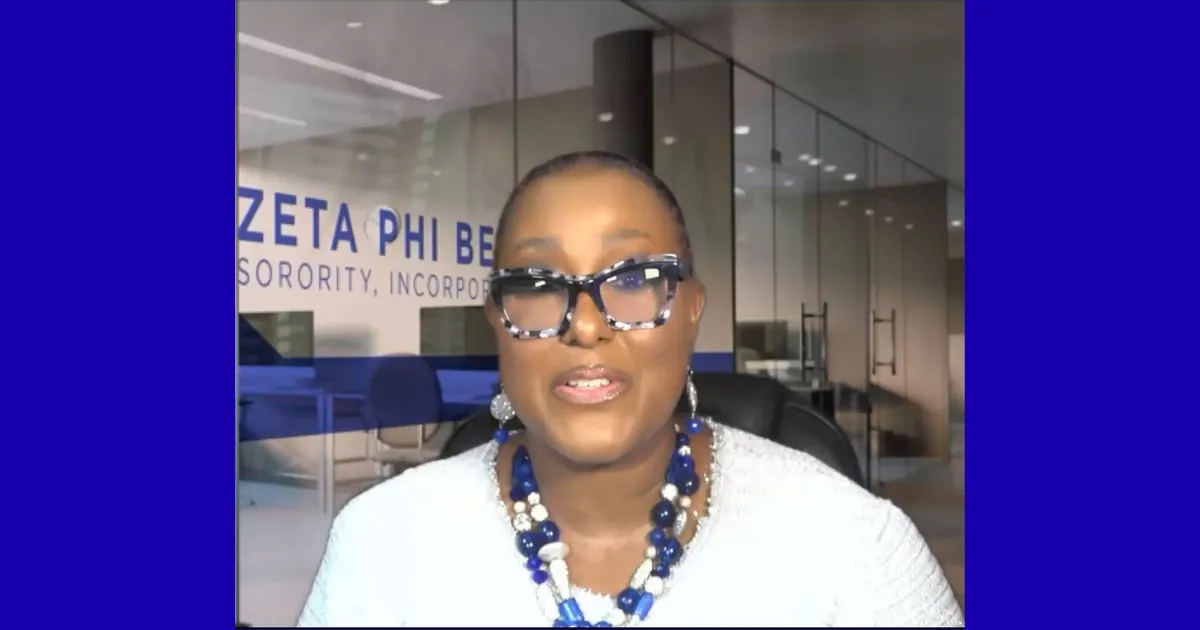
National civil rights, legal, housing and civic leaders are sounding the alarm over the growing barriers to Black homeownership, warning that rising housing costs, restrictive lending practices,…
AI summary
At the National Association of Real Estate Brokers' (NAREB) seventh annual Black Homeownership Summit on November 10, more than 400 participants joined a virtual discussion on barriers to Black homeownership. Leaders warned that rising housing costs, restrictive lending, mortgage denials and weakening federal protections threaten progress toward economic equality. NAREB's 2026 State of Housing in Black America report shows the Black-white homeownership gap grew from 23.8 percentage points in 1970 to 29.7 in 2025 (74.3% vs. 44.6%). Speakers including Ben Crump, Al Sharpton and representatives of civil rights, legal and civic groups cited lending disparities, historic redlining, frozen HUD housing counseling funds, declining disparate impact enforcement, and long savings timelines. Concerns were raised about Black women and Generation Z. Reps. Emanuel Cleaver II and Troy A. Carter Sr. backed the bipartisan 21st Century ROAD to Housing Act. NAREB President Ashley Thomas III pledged to strengthen partnerships and connect more families with Realtists.
- According to NAREB, the Black-white homeownership gap widened from 23.8 percentage points in 1970 to 29.7 in 2025, with white homeownership at 74.3% and Black at 44.6%.
- Ben Crump cited a Federal Reserve study finding Black applicants more likely to be denied mortgages, with financial characteristics explaining only 41% of the disparity.
- Michael Collins said Black unemployment returned to 7%, Black median wealth fell about 25% in three years, and $51.6 million in HUD housing counseling funding is frozen and being challenged in court.
- Crystal German said the typical Black renter household needs about 21 years to save for a starter home; Stacie NC Grant noted only 14% of Black Gen Z adults own homes.
- Reps. Cleaver and Carter supported the bipartisan 21st Century ROAD to Housing Act; Cleaver cautioned that more housing supply alone would not resolve disparities.