Black girls are being bought and sold in plain sight – part two of two
AI bias rating
Rated Left on a five-point scale from left to right.
- Left
- Center-left
- Center
- Center-right
- Right
Why this rating
- The piece is a sympathetic Q&A with one advocate. The interviewer's questions largely set up her viewpoint rather than challenge it.
- Child sex trafficking is framed mainly through structural causes: racialized policing, generational poverty, foster care failures and economic exclusion. Individual criminality gets less emphasis.
- Questions explicitly adopt an 'abolitionist' frame, asking how to hold exploiters accountable 'without feeding more Black people into prisons,' which presumes incarceration-skeptical premises.
- The story is centered on Black girls and on Oakland's history of racial exclusion, and the subject's personal survivor experience lends moral authority.
- The interviewer's question on the governmental response mentions Trump specifically. The subject declines to frame it partisanly, giving a measured answer.
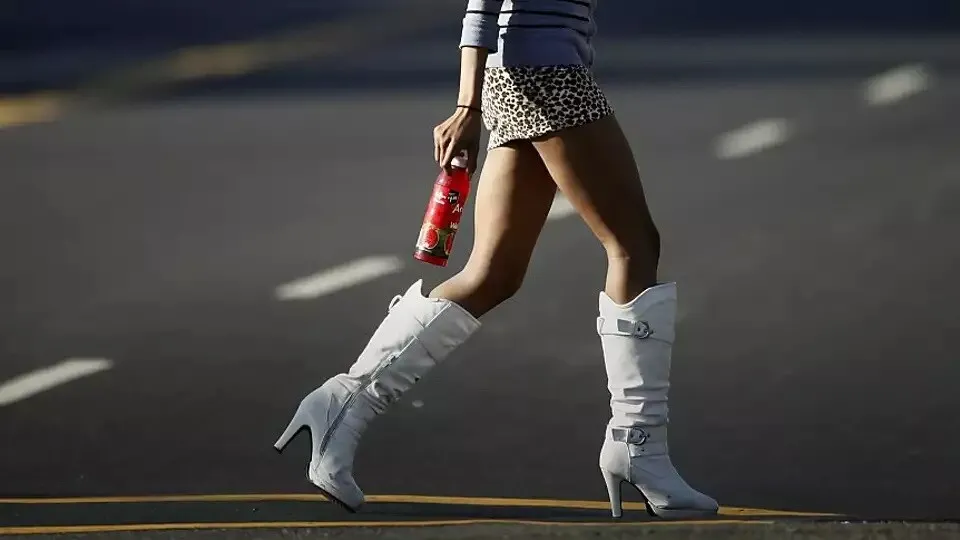
- A photo caption and an illustration of a sex-offender map app add visual emphasis on how widespread the problem is, without accompanying data.
- Law enforcement or prosecutors on how decriminalization and fines have affected trafficking cases in Oakland.
- City officials or policymakers explaining Oakland's fines for sex buyers and the funding decisions mentioned.
- Federal officials responding to the questions about resource changes under the current administration.
- Other survivors or advocates who may favor more punitive or enforcement-centered approaches.
- Data or researchers quantifying the scale of child trafficking in Oakland or the outcomes of the described interventions.
- Child welfare and foster care agencies responding to the criticism of disengagement.
Nola Brantley says protecting exploited children means more than ending arrests or fining buyers: It means housing, economic opportunity, survivor-led support and adults who keep showing up. Drawing…
AI summary
In the second part of an interview published by the San Francisco Bay View, journalist Leah Harmony speaks with Nola Brantley of Misssey and Nola Brantley Speaks! about responses to child sex trafficking, particularly of Black girls in Oakland. Brantley says California's decision to stop arresting children for prostitution was necessary but must not mean disengagement, and calls for coordinated, trust-building services. She says Oakland's steep fines for buyers and traffickers send a message but cannot end exploitation without investment in prevention, housing and survivor services. She describes an abolitionist approach that holds exploiters accountable while addressing the conditions that make children vulnerable, such as foster care, poverty, abuse and homelessness. Brantley says she was exploited by a San Francisco police officer who later became head of security for Prince. Discussing the Epstein files and government responses, she says public attention is not systemic change and that programs can vanish when leaders or funding change. She urges communities to support families, foster youth and survivor-led organizations before crises occur.
- In the second part of a San Francisco Bay View interview, journalist Leah Harmony spoke with anti-trafficking advocate Nola Brantley about how communities and agencies respond to child sex trafficking, especially of Black girls in Oakland.
- Brantley says California's move to stop arresting children for prostitution was necessary, but decriminalization must not mean that agencies stop engaging with exploited children.
- Brantley says Oakland's steep fines on sex buyers and traffickers send a message but cannot end child sexual exploitation without investment in prevention, housing, survivor services and economic opportunity.
- Brantley says she was exploited by a San Francisco police officer who later became head of security for Prince, and that exploitation can look like authority, status and power.
- Brantley urges communities to support families and foster youth before crises, fund survivor-led groups, challenge racism and adultification, and address the conditions that create vulnerability.