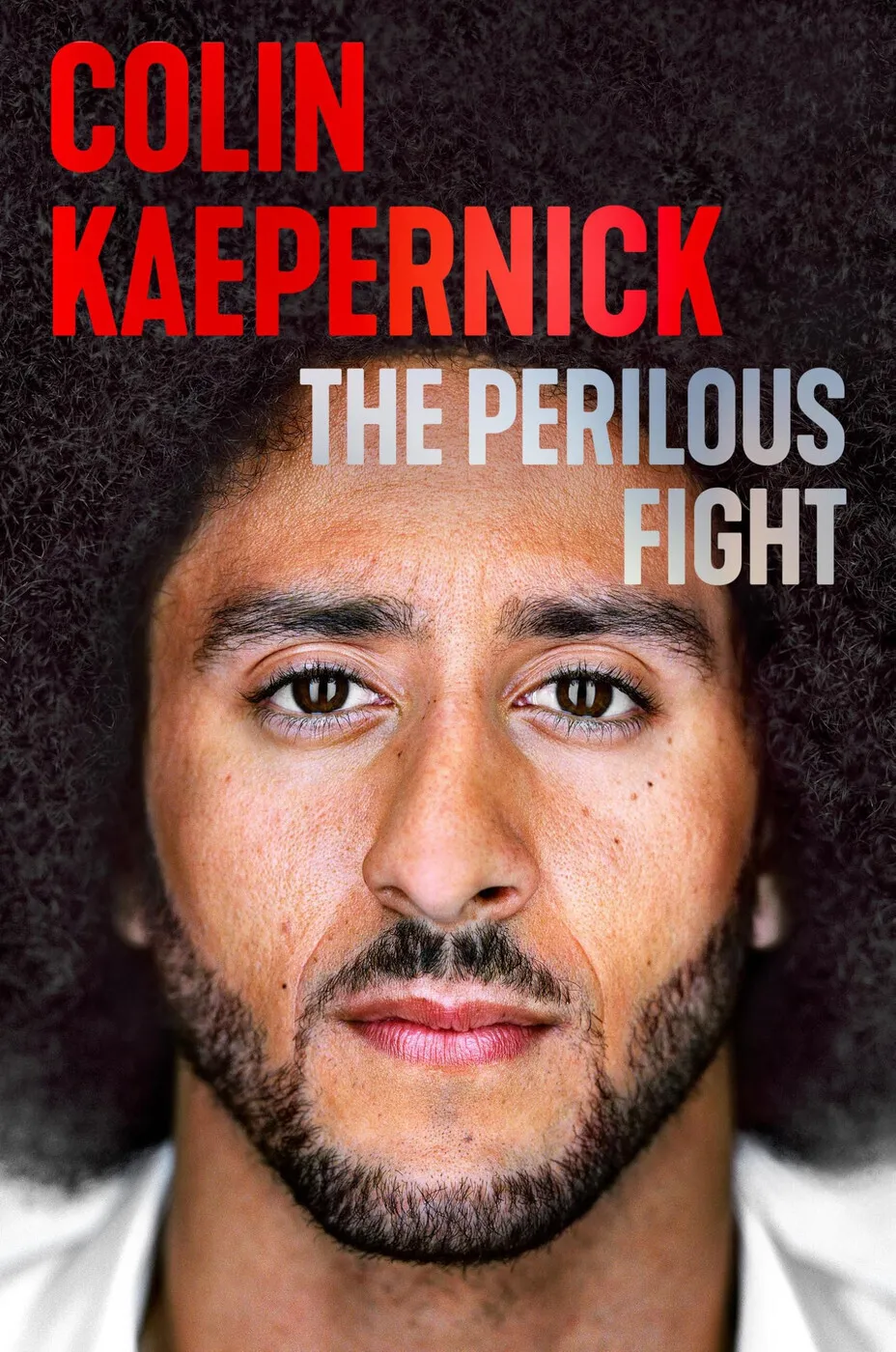
Colin Kaepernick’s ‘The Perilous Fight’
AI bias rating
Rated Left on a five-point scale from left to right.
- Left
- Center-left
- Center
- Center-right
- Right
Why this rating
- The piece is a friendly Q&A from Black Agenda Report, republished by San Francisco Bay View. It promotes Kaepernick's memoir, and the questions largely affirm his perspective.
- The interviewer's questions carry premises, such as asking what McNair's comment 'reveals about how Black NFL players are treated', that assume the interpretation the answer then supplies.
- The interviewer explicitly situates Kaepernick within a 'Black radical tradition' and describes his work as grounded in it, framing the protest as part of a lineage of resistance to 'American oppression'.
- The NFL hierarchy is framed as treating players as commodities, supported by anecdotes such as the 'miles on his legs' remark and the 'inmates running the prison' comment.
- Kaepernick's account of the Nate Boyer story is presented as a correction of the historical record, with no counter-account included.
- No response from the NFL, team owners, coaches or executives to the claims of institutional resistance and commodification of players.
- Nate Boyer's account of how the decision to kneel came about and of his own actions is not included.
- The view of Bob McNair, or of those who defended his remark as a figure of speech, is mentioned only in passing.
- The perspective of fans, veterans or others who objected to kneeling during the anthem is absent.
- Teammates, including Eric Reid, are not quoted directly about the events described.
Colin Kaepernick discusses his memoir, NFL power and racism, the true story behind taking a knee, and the Black radical tradition that shaped his fight for justice. He argues that freedom demands…
AI summary
In an interview by Roberto Sirvent for the Black Agenda Report Book Forum, first published in September 2026 and republished by San Francisco Bay View, former NFL quarterback and activist Colin Kaepernick discusses his memoir, The Perilous Fight. He recalls early sports memories, including a note from his father urging him to look in the mirror. He says football culture builds resilience and discipline but can discourage independence and critical thinking. He compares writing the memoir with his children's book and says his favorite parts to write were about loved ones, including Eric Reid. He describes support from teammates but stronger resistance from coaches and executives when raising racial justice issues. He criticizes fans who treat players as assets, citing fantasy football, betting and social media. He says kneeling during the anthem was Reid's idea, not Nate Boyer's. He says owner Bob McNair's 'inmates running the prison' remark exposed how players are viewed as commodities. He credits Black radical thinkers with preparing him for the backlash and hopes readers will act collectively to create change.
- Colin Kaepernick discussed his memoir, The Perilous Fight, in an interview with Roberto Sirvent for the Black Agenda Report Book Forum, first published in September 2026 and republished by San Francisco Bay View.
- Kaepernick says taking a knee during the anthem in 2016 was Eric Reid's idea, contradicting a widely repeated story that Nate Boyer suggested it, and says Boyer backed out of kneeling with them at the last minute.
- Kaepernick says teammates were overwhelmingly supportive of his racial justice concerns, while coaches, executives and others in power showed much more resistance.
- Kaepernick says Houston Texans owner Bob McNair's remark about 'inmates running the prison' revealed a mentality in pro football that treats players, especially Black players, as commodities.
- Kaepernick says studying thinkers such as Malcolm X, Frantz Fanon and Angela Davis prepared him for backlash, and he hopes readers act collectively to create a more just society.